Cinco de Mayo is one of the most widely recognized celebrations in the United States, often marked by parades, parties, and an abundance of food and drink. But beyond the festive atmosphere, there’s rich history tied to this date, rooted in Mexican culture. Originally commemorating the Mexican victory over French forces at the Battle of Puebla, Cinco de Mayo has evolved into a celebration of Mexican heritage and culture, especially in areas with large Mexican-American populations. This article will dive into the significance of Cinco de Mayo, its history, how Americans celebrate it, and much more.
When is Cinco de Mayo Celebrated?
Cinco de Mayo is celebrated annually on May 5th, but many people mistakenly think it’s Mexico's Independence Day, which is actually on September 16th. This date specifically honors the Battle of Puebla, which took place on May 5, 1862. On this day, Mexican forces defeated the French army, despite being heavily outnumbered. While it’s not a major holiday in Mexico, its significance has grown in the United States, where it has become a cultural celebration rather than a historical commemoration.
Why May 5th is Significant to Mexicans
Cinco de Mayo marks a crucial moment in Mexican history, where a small, under-resourced Mexican army managed to defeat one of the most powerful armies in the world at the time. It became a symbol of Mexican resilience and pride. Though the victory didn’t lead to the end of French occupation, it strengthened Mexican morale and unity.
What is the History Behind Cinco de Mayo?
The origins of Cinco de Mayo date back to 1862, during the French intervention in Mexico. Mexico, having experienced years of internal strife and economic instability, defaulted on its debts to foreign nations, including France. The French sought to take advantage of this situation and establish a monarchy in Mexico. The Battle of Puebla was a key moment where the Mexican forces, under General Ignacio Zaragoza, repelled the French forces despite being severely outnumbered.
The French Intervention in Mexico
The French, led by Napoleon III, sought to expand their influence in Latin America and saw the instability in Mexico as an opportunity to install a puppet regime. The Battle of Puebla, however, stopped their advance and became a symbol of Mexican resistance against foreign intervention. Though the French returned the following year and eventually took over Mexico City, the victory at Puebla became a point of national pride.
The Evolution of Cinco de Mayo Over Time
Though initially a regional observance, Cinco de Mayo gained prominence in the United States, particularly within Mexican-American communities. In the early 20th century, it became an important day for Mexican-Americans to celebrate their culture and heritage. Today, it’s widely recognized in the U.S. through cultural events, street festivals, and parties that include Mexican food, music, and dancing.
How Do Americans Celebrate Cinco de Mayo?
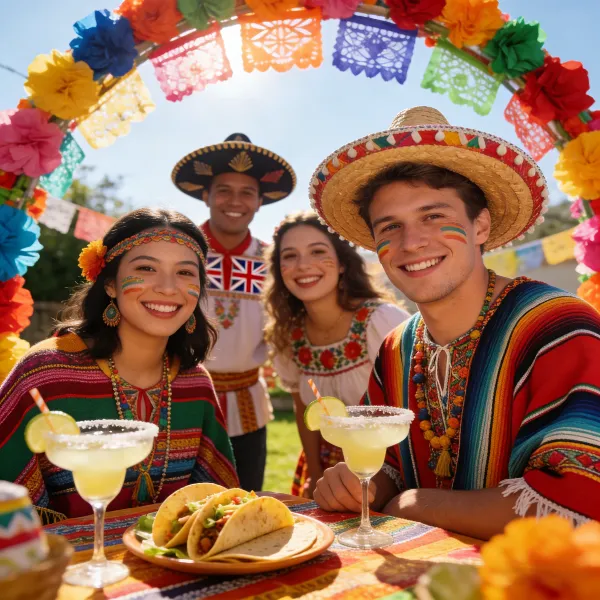
Cinco de Mayo is celebrated enthusiastically across the United States, particularly in cities with large Mexican-American populations such as Los Angeles, Chicago, and San Antonio. The holiday is celebrated with a variety of activities, from public festivals to private parties. Here are some of the most popular ways Americans observe the occasion:
- Parades and Festivals: Many cities hold parades featuring traditional Mexican music, dance, and colorful costumes. These festivals often include performances by mariachi bands, folkloric dancers, and local food vendors.
- Mexican Cuisine: Cinco de Mayo is synonymous with Mexican food. People enjoy tacos, enchiladas, guacamole, and of course, margaritas and tequila.
- Live Music and Dancing: Many bars and restaurants host live mariachi bands or DJ sets playing Latin music, offering a lively atmosphere for partygoers to enjoy.
- Community Events: Local communities often host events such as carnivals, street fairs, and educational programs that highlight Mexican culture and history.
- Family Gatherings: For many families, Cinco de Mayo is a day to come together, enjoy a meal, and celebrate their heritage.
What Are the Key Elements of a Cinco de Mayo Party?
To throw an unforgettable Cinco de Mayo celebration, make sure you include:
- Decorations: Bright colors like red, green, and white dominate Cinco de Mayo decorations to reflect the Mexican flag.
- Food and Drinks: Serve traditional Mexican foods like tacos, quesadillas, and nachos, accompanied by margaritas or tequila shots.
- Music: Incorporate live music or playlists featuring mariachi, salsa, and other Latin-inspired genres.
- Games: Fun activities like piñata smashing and salsa dancing competitions add to the festive atmosphere.
What Are the Most Popular Cinco de Mayo Traditions?
Cinco de Mayo is rich in traditions that are often celebrated with a mix of cultural reverence and festive joy. Here are some of the most popular traditions that take place during this holiday:
- Wearing Traditional Mexican Attire: Many people wear vibrant Mexican clothing, including sombreros, embroidered shirts, and dresses, to honor Mexican culture.
- Preparing Traditional Mexican Dishes: From tacos to tamales, Mexican cuisine plays a major role in Cinco de Mayo celebrations. Many restaurants offer special menus with these dishes.
- Drinking Margaritas and Tequila: Margaritas are the drink of choice on Cinco de Mayo, served in various flavors, from classic lime to fruit-infused variations.
- Dancing to Latin Music: Salsa, merengue, and cumbia are common dance styles featured at Cinco de Mayo parties, with many guests joining in the fun.
- Participating in Cultural Events: Attending a local festival, parade, or concert is a great way to immerse oneself in the spirit of Cinco de Mayo.
- Learning About Mexican History: While it’s a festive holiday, some choose to take a moment to reflect on the history of Mexico and the significance of the Battle of Puebla.
Cinco de Mayo vs. Mexican Independence Day
Though both are important celebrations in Mexican culture, Cinco de Mayo and Mexican Independence Day are distinct holidays. Mexican Independence Day, celebrated on September 16, commemorates the start of the Mexican War of Independence in 1810, while Cinco de Mayo celebrates the victory at the Battle of Puebla in 1862. The two holidays differ in their historical context and the way they are celebrated in Mexico.
What Foods and Drinks Are Associated with Cinco de Mayo?
Cinco de Mayo is a food lover’s paradise, offering a chance to indulge in delicious Mexican cuisine. Some of the most popular dishes and drinks enjoyed on this day include:
- Tacos: A staple in Mexican cuisine, tacos come with various fillings like carne asada, carnitas, and fish.
- Guacamole and Salsa: These delicious dips are a must-have at any Cinco de Mayo gathering, served with tortilla chips.
- Margaritas: This iconic cocktail, made with tequila, lime, and orange liqueur, is a favorite on Cinco de Mayo.
- Tequila: As the national spirit of Mexico, tequila is often enjoyed in shots, margaritas, or mixed drinks.
- Tamales: These traditional Mexican treats are made from masa dough and filled with various meats, cheeses, or vegetables, then wrapped in corn husks.
- Quesadillas: A tortilla filled with cheese and other fillings like mushrooms, chicken, or pork, often grilled to perfection.
Is Cinco de Mayo a Public Holiday in the United States?
Unlike in Mexico, where Cinco de Mayo is not a national holiday, it is not a public holiday in the U.S. either. While some states and cities with significant Mexican populations may hold public celebrations or parades, most businesses remain open, and the day is generally treated as a regular workday. However, the widespread popularity of the holiday means that many people still celebrate it by attending parties, festivals, or gatherings after work.
How Does Cinco de Mayo Impact the Economy?
Cinco de Mayo has a significant economic impact, particularly in the food, beverage, and tourism industries. Many restaurants, bars, and retail shops see an uptick in sales as consumers indulge in Mexican food, drinks, and party supplies. It’s also a major day for tequila and margarita sales, boosting the alcohol industry.
Fun Facts About Cinco de Mayo You Didn’t Know
Cinco de Mayo is celebrated with great enthusiasm, but there are some lesser-known facts about the holiday that might surprise you:
- It’s Not a Major Holiday in Mexico: Despite its significance in the U.S., Cinco de Mayo is not widely celebrated in Mexico, except in the Puebla region.
- It Was Once a Political Movement: In the 1980s, the celebration of Cinco de Mayo was used to promote unity and pride in Mexican-American communities.
- It’s More Popular in the U.S. Than in Mexico: The celebration of Cinco de Mayo in the U.S. has grown into a larger event than the commemoration of Mexican Independence Day.
Conclusion
Cinco de Mayo is much more than just a day of eating tacos and drinking margaritas. It’s a celebration of Mexican culture, history, and resilience, particularly in the United States, where it serves as a day to honor Mexican-American heritage. Whether through parades, festivals, or family gatherings, Cinco de Mayo continues to evolve into an important cultural celebration, fostering a sense of pride and community among its celebrants.