Día de los Muertos, or the Day of the Dead, is a traditional Mexican holiday celebrated to honor and remember loved ones who have passed away. While it is celebrated on November 1st and 2nd, the holiday incorporates unique cultural practices and customs, blending indigenous Mexican traditions with Spanish influences.
Unlike other solemn occasions, Día de los Muertos is a vibrant and joyous celebration of life and death. It focuses on the belief that the spirits of the deceased return to visit their families, and this is welcomed with offerings, food, music, and festive activities. The holiday symbolizes the cyclical nature of life and death, embracing death as a part of the human experience rather than something to be feared.
When Is Día de los Muertos Celebrated?
Día de los Muertos is celebrated annually on November 1st and 2nd. November 1st is dedicated to children who have passed away, known as Día de los Inocentes (Day of the Innocents), while November 2nd honors the adults, or Día de los Muertos (Day of the Dead).
These dates coincide with the Catholic holidays of All Saints’ Day and All Souls’ Day, reflecting the syncretism between indigenous beliefs and Catholicism. In the United States, the celebration is widely observed by Mexican-American communities, especially in areas with a high Mexican population, such as California, Texas, and Arizona.
Why Is Día de los Muertos Important?
Día de los Muertos holds profound cultural and spiritual significance. It serves as a way for families to maintain connections with their ancestors and loved ones who have passed. The holiday offers a sense of closure, helping families grieve while simultaneously celebrating the lives of those who are no longer with them.
This celebration is important because it reminds us that death is not an end, but a continuation of a journey. It encourages the living to reflect on the meaning of life, express gratitude, and honor the legacies of those who came before. It’s an expression of love, remembrance, and cultural identity.
What Are the Key Traditions and Symbols of Día de los Muertos?
Día de los Muertos is filled with rich traditions, customs, and symbols that serve as expressions of respect and remembrance. These traditions are designed to welcome the spirits back into the world of the living. Here are some of the most important symbols:
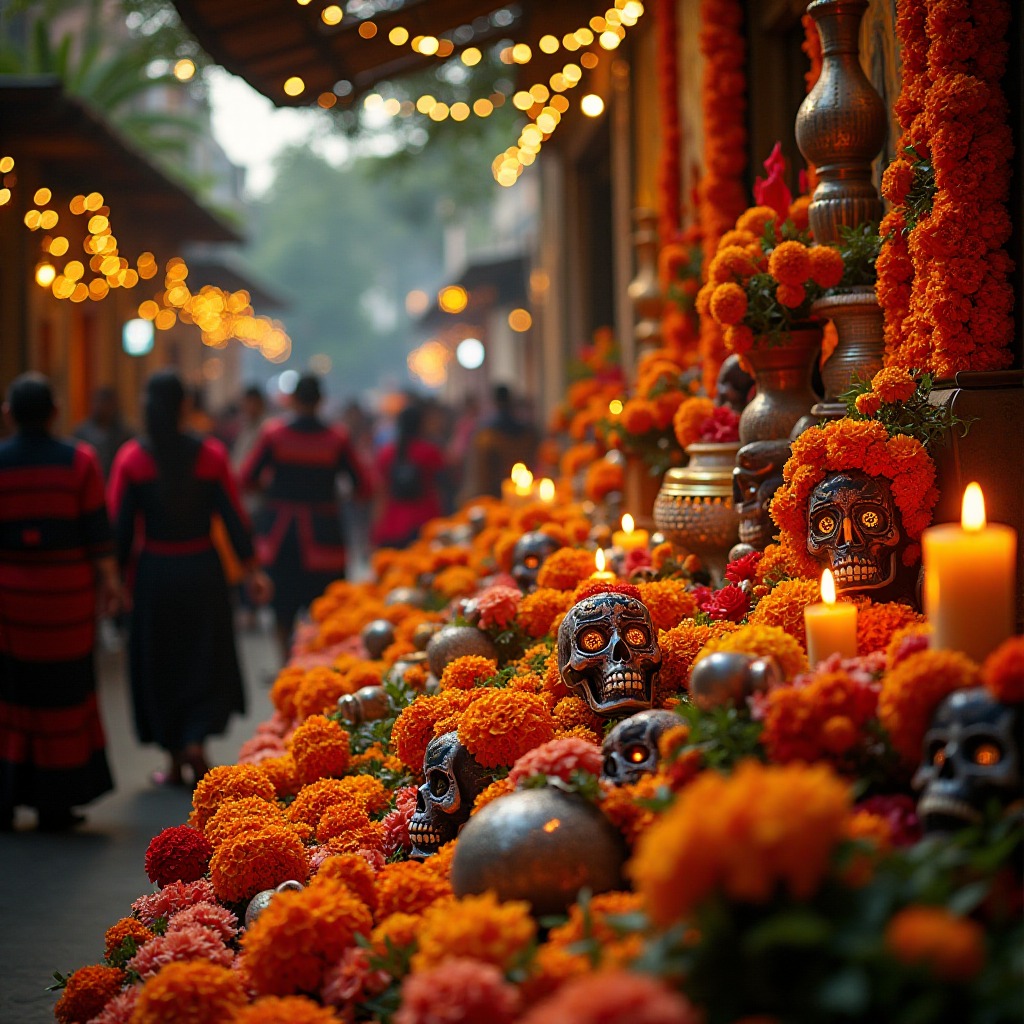
- Altars (Ofrendas): These are elaborate offerings created by families to honor their loved ones. They are decorated with photographs, candles, flowers, and food, representing the deceased’s favorite items.
- Marigolds (Cempasúchil): The bright orange flowers symbolize the fragility of life and are used to create a pathway for spirits to follow back home.
- Sugar Skulls (Calaveras de Azúcar): These sweet confections, often decorated with colorful icing, represent the spirits of the deceased.
- Pan de Muerto (Bread of the Dead): A traditional sweet bread, typically shaped like a skull or bones, offered to the spirits.
- Candles: Candles light the way for the spirits, with each candle representing a different element of life.
- Photos and Mementos: Personal items, like photographs or favorite belongings, are placed on the altar to remind spirits of their life and legacy.
How Is Día de los Muertos Celebrated in the United States?
In the United States, Día de los Muertos has become an increasingly popular celebration, especially in regions with large Mexican-American populations. Although it originated in Mexico, the holiday has expanded beyond its roots, and celebrations are held in various cities across the U.S. Here are some of the ways Día de los Muertos is observed in the U.S.:
- Community Events and Parades: Many cities, such as Los Angeles, San Francisco, and Chicago, host vibrant parades and community events where people dress in traditional costumes and paint their faces as skulls.
- Public Ofrendas: Public altars are set up in cultural centers and museums, inviting people to add photographs or personal items of their deceased loved ones. These serve as communal spaces for remembrance.
- Art and Performances: The celebration often includes performances such as dance, music, and art exhibitions. The use of colorful decorations and traditional folk art is prominent.
- Food Festivals: In many U.S. cities, food festivals centered around Día de los Muertos take place, where people can enjoy traditional foods like pan de muerto, tamales, and atole.
What Is the Meaning Behind the Día de los Muertos Altars?
Altars (or ofrendas) are central to the Día de los Muertos celebration. They are created in homes and public spaces to honor deceased family members and friends. These altars are more than just decorative; they serve as spiritual bridges between the living and the dead.
The altars are carefully arranged with offerings, including photographs, candles, marigolds, incense, food, and personal belongings of the deceased. Each item placed on the altar has symbolic meaning, inviting the spirits of the departed to return and join the celebration. Altars vary in size and complexity, but they always reflect the unique life of the deceased.
Are There Any Unique Foods Associated with Día de los Muertos?
Food plays an important role in Día de los Muertos celebrations. The traditional dishes are made to honor the spirits, and many of these foods are specially prepared for the occasion. Some of the most common and unique foods include:
- Pan de Muerto: A sweet bread that symbolizes the cycle of life and death. Its shape and decoration often resemble bones or a skull.
- Tamales: A staple of Mexican cuisine, tamales are made with corn dough and filled with meats, cheeses, or vegetables. They are often offered on the altar.
- Atole: A warm drink made from corn, sugar, and milk, often enjoyed during the cooler November evenings.
- Calaveras de Azúcar: Colorful sugar skulls are a popular treat, and they are often decorated with bright icing and personalized with the names of the deceased.
- Mole: A rich, flavorful sauce made from chili peppers, chocolate, and spices, commonly served with chicken or turkey.
Conclusion
Día de los Muertos is a celebration of life, love, and memory. While it originates in Mexico, the holiday has grown to be a significant tradition in the United States, especially within Mexican-American communities. The vibrant altars, delicious foods, and symbolic rituals help to bring the living and the dead together in a shared moment of remembrance.
Whether you are participating in the celebrations or simply learning about the tradition, Día de los Muertos serves as a reminder to cherish our loved ones and honor those who have passed.