Earth Day is a global event dedicated to raising awareness about environmental issues and promoting actions to protect our planet. Celebrated annually on April 22, it brings together millions of people worldwide to take part in activities focused on environmental protection. The day was first celebrated in 1970 in the United States, sparking a movement that has grown into a worldwide campaign. It serves as a reminder of the importance of conserving resources, protecting ecosystems, and reducing pollution to ensure a healthier and more sustainable future.
When Is Earth Day Celebrated?
Earth Day is celebrated every year on April 22, marking the anniversary of the first Earth Day in 1970. The date was chosen as a way to honor the environmental movement and highlight the need for global action on pressing environmental issues. Over the years, Earth Day has become a worldwide event, with individuals, organizations, and governments participating in various initiatives aimed at promoting sustainability.
In the United States, Earth Day serves as an opportunity to reflect on environmental progress and to renew commitment to tackling challenges such as climate change, pollution, and biodiversity loss. As it gains more traction, Earth Day has grown to encompass a wide range of activities, from community clean-ups to educational workshops.
Why Is Earth Day Important?
Earth Day is a crucial event for several reasons, as it serves as a platform for raising awareness about environmental challenges and mobilizing action. Here are some key reasons why Earth Day is significant:
- Raising awareness: Earth Day educates people about the environment and encourages discussions on sustainable practices.
- Promoting action: It inspires individuals, businesses, and governments to take practical steps toward improving the environment.
- Uniting people: Earth Day brings together a diverse range of people, from school children to global leaders, working toward a common goal of environmental protection.
- Addressing climate change: As the climate crisis continues to intensify, Earth Day highlights the urgent need for collective efforts to combat global warming.
- Fostering accountability: It reminds individuals and organizations of their responsibility to protect natural resources and minimize their environmental footprint.
Through these efforts, Earth Day plays a pivotal role in creating a sense of urgency around environmental issues, inspiring lasting change across communities, industries, and governments.
What Are the Key Themes of Earth Day?
Each year, Earth Day is centered around a specific theme that reflects the current environmental challenges and focuses on solutions. These themes guide global campaigns, shape the discussions surrounding Earth Day, and inspire individuals to take action. Some notable themes in recent years include:
- Climate Action: Highlighting the need to address climate change through renewable energy, reducing emissions, and promoting sustainable practices.
- Restore Our Earth: Focusing on ecological restoration and the need to rejuvenate ecosystems that have been degraded by human activities.
- Protect Our Species: Raising awareness about biodiversity loss and advocating for the protection of endangered species.
- Plastic Pollution: Addressing the growing problem of plastic waste and encouraging individuals and businesses to reduce plastic consumption.
- Clean Energy: Promoting the transition to renewable energy sources like solar, wind, and hydropower to reduce our reliance on fossil fuels.
These themes act as focal points for activities, helping to guide campaigns and ensure that Earth Day remains relevant to pressing environmental concerns.
How Is Earth Day Celebrated in the United States?
In the United States, Earth Day is widely recognized and celebrated through various events and initiatives across the country. Schools, communities, businesses, and government agencies participate in activities that promote sustainability, conservation, and environmental education. Here are some common ways Earth Day is celebrated in the U.S.:
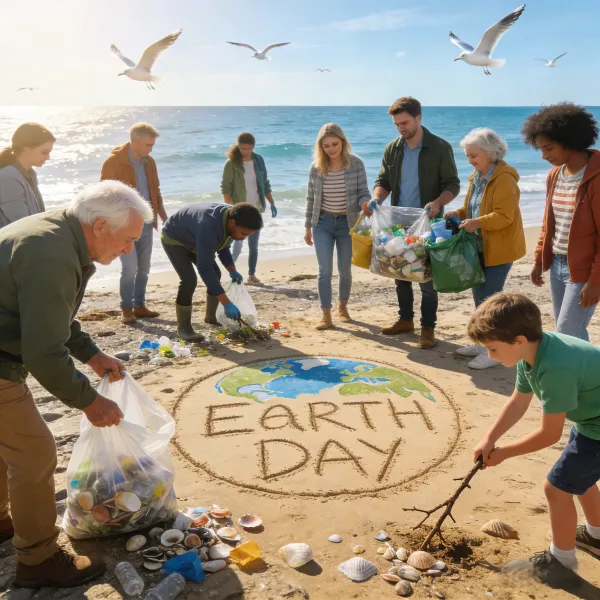
- Community clean-up events: Local groups organize litter collection and neighborhood clean-up events, focusing on cleaning up parks, streets, beaches, and waterways.
- Tree planting campaigns: Planting trees and creating urban green spaces are popular Earth Day activities aimed at improving air quality and biodiversity.
- Educational workshops: Schools and organizations hold workshops, talks, and panel discussions on environmental issues like climate change, recycling, and energy conservation.
- Sustainability fairs: Many cities host Earth Day fairs where businesses and nonprofits showcase eco-friendly products and sustainable solutions.
- Social media campaigns: Individuals and organizations use social media to raise awareness about Earth Day, sharing tips on how to live more sustainably and reduce environmental impact.
These activities help engage the public, raise awareness, and inspire action toward a cleaner, greener planet.
What Are Some Popular Earth Day Activities?
Earth Day is celebrated through a variety of activities that promote sustainability, raise awareness, and inspire people to take action. Here are some of the most popular Earth Day activities:
- Volunteer for environmental organizations: Many people spend Earth Day volunteering with local environmental groups, participating in clean-up drives, or assisting with tree planting events.
- Organize or attend an Earth Day event: Communities host rallies, festivals, and events that educate people about the environment and highlight local sustainability efforts.
- Go zero waste: Earth Day is a great time to commit to reducing waste by reusing items, recycling, or choosing eco-friendly alternatives.
- Reduce carbon footprint: Individuals can reduce their carbon footprint by opting for biking or walking instead of driving, or by using public transportation.
- Support eco-friendly businesses: Shifting consumer behavior toward companies that prioritize sustainability and ethical practices is a powerful way to show support for the planet.
These activities help foster a sense of community, encourage environmental responsibility, and create lasting changes that go beyond Earth Day itself.
How Can You Get Involved in Earth Day Events?
Getting involved in Earth Day events is an excellent way to contribute to the planet's well-being and take part in meaningful action. Whether you're interested in volunteering, educating others, or simply participating in local activities, there are many ways to get involved. Here are some suggestions:
- Join local clean-up efforts: Participate in organized community clean-ups and help reduce pollution in local parks, beaches, and streets.
- Attend educational events: Attend workshops, talks, or virtual events to learn more about sustainability, climate change, and environmental issues.
- Support environmental causes: Donate to environmental organizations or take part in fundraisers dedicated to environmental conservation.
- Promote sustainable practices: Use your social media platforms to share tips on living sustainably and encourage others to take action.
Your involvement in Earth Day events can create a ripple effect, inspiring others to follow suit and make environmentally conscious decisions in their daily lives.
Are There Any Fun Facts About Earth Day?
Earth Day has a rich history full of interesting facts and milestones. Here are some fun and surprising facts about Earth Day:
- Over 190 countries participate: Earth Day is celebrated in over 190 countries, making it one of the largest secular celebrations worldwide.
- First Earth Day in 1970: The first Earth Day was celebrated on April 22, 1970, and it involved 20 million Americans participating in demonstrations, clean-up events, and educational activities.
- The creation of the Environmental Protection Agency (EPA): The first Earth Day played a major role in the establishment of the U.S. Environmental Protection Agency, which was created later that year.
- A record-breaking tree planting event: In 2019, India set a world record by planting over 66 million trees in a single day to celebrate Earth Day.
- Greenwashing awareness: As Earth Day grows, it also raises awareness about the issue of greenwashing, where companies falsely advertise their products as environmentally friendly.
These fun facts demonstrate how Earth Day has evolved and how it continues to inspire change globally.
Conclusion
Earth Day is more than just an annual event—it's a powerful movement that encourages individuals, communities, and organizations to take action in protecting the environment. Whether it's through participating in clean-ups, supporting sustainability initiatives, or advocating for policies that address climate change, Earth Day serves as a reminder of our shared responsibility to care for the planet. By getting involved and making small changes in our daily lives, we can all contribute to creating a healthier, more sustainable world for future generations.