Easter is one of the most significant holidays in the Christian calendar, celebrating the resurrection of Jesus Christ. It is a time for reflection, joy, and festivities that bring families and communities together. The holiday is observed by millions of people worldwide, but its traditions and symbols vary across different cultures and denominations. Whether you're new to Easter or looking to dive deeper into its meaning, this article will help you understand the origins, customs, and fun facts surrounding this beloved celebration.
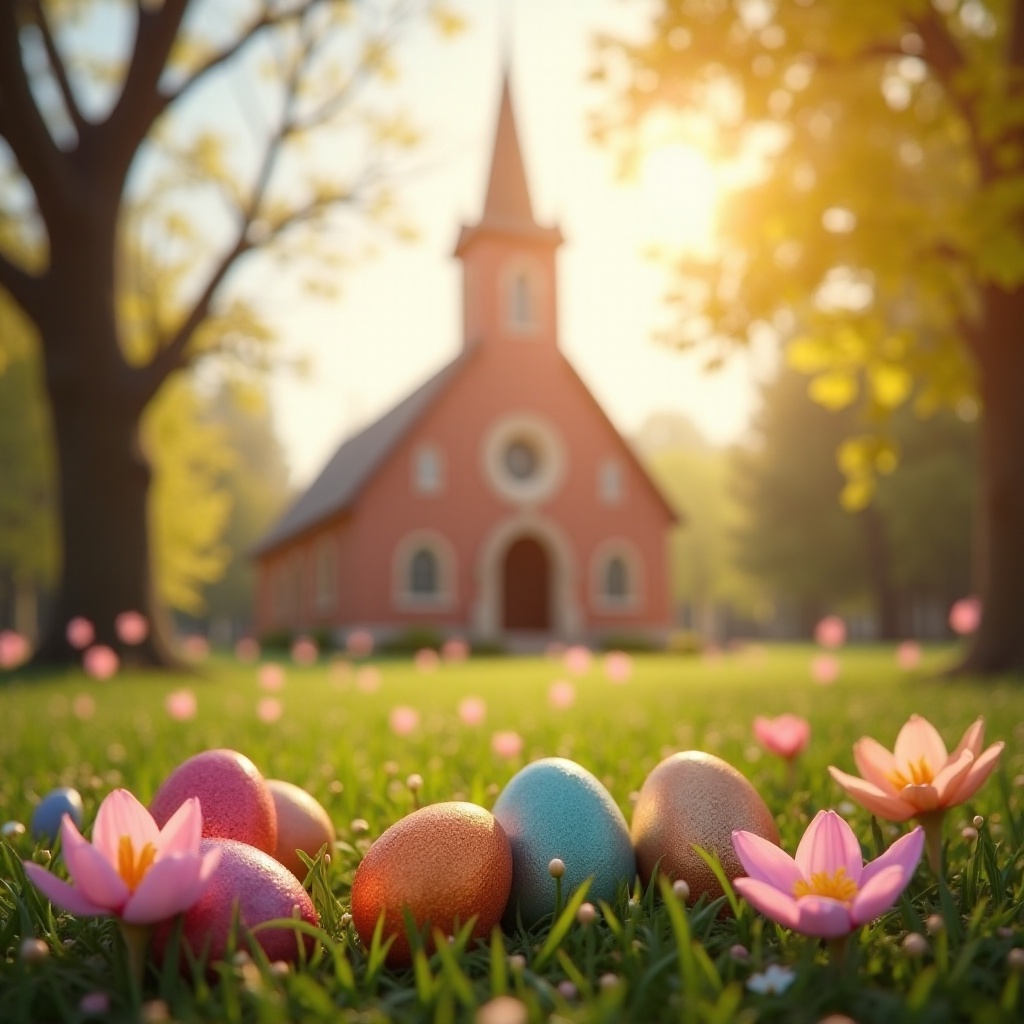
When Is Easter Celebrated in the United States?
Easter does not fall on a fixed date every year, which often leads to confusion. It is observed on the first Sunday after the first full moon following the vernal equinox, usually between March 22 and April 25. This calculation is based on the ecclesiastical approximation of the March equinox.
The date of Easter can impact various seasonal activities in the U.S., like spring break for schools, shopping seasons, and family gatherings. Many people in the U.S. plan their vacations and holiday events around this date, which makes knowing when Easter falls each year particularly important.
How Easter Dates Are Determined
- Easter is calculated based on the lunar calendar.
- It’s celebrated on the first Sunday after the full moon.
- The vernal equinox, marking the start of spring, influences the timing.
This formula can make Easter appear earlier or later each year, which is why the exact date changes annually.
What Are the Origins of Easter?
Easter's roots trace back to the resurrection of Jesus Christ, which is a central event in Christian theology. It is believed that on Easter Sunday, Jesus rose from the dead, marking his victory over sin and death. The holiday is tied to the Jewish festival of Passover, as Jesus' death and resurrection coincide with the timing of this important event.
The history of Easter is deeply intertwined with Christianity’s foundation. Over time, the holiday has evolved with various customs, symbols, and cultural practices added, which vary across countries and denominations.
Easter’s Connection to Passover
- Easter is linked to the Jewish Passover celebration.
- The timing of Easter corresponds to the spring season, symbolizing renewal and rebirth.
- Early Christians chose this date to commemorate the resurrection of Jesus.
From Religious Event to Global Celebration
- Over centuries, Easter became widely celebrated beyond just religious ceremonies.
- Different cultures added their own traditions and symbols, including Easter eggs and the Easter Bunny.
- Today, Easter is both a religious and secular holiday, with activities for people of all ages.
How Do People Celebrate Easter in the U.S.?
Easter celebrations in the United States are a blend of religious observances and fun family traditions. For Christians, the holiday often starts with church services, followed by meals with family and friends. In the more secular aspects of the holiday, many Americans take part in outdoor activities, community events, and fun traditions that have become a staple of the Easter weekend.
Common Easter Traditions in the U.S.
- Easter Egg Hunts: Children search for hidden eggs filled with candy or small gifts.
- Easter Parades: Many cities host festive parades, with people donning new spring attire.
- Church Services: Many families attend church on Easter morning to celebrate the resurrection of Jesus.
- Easter Brunch: Families gather for special meals, often including ham, lamb, or baked goods.
- Decorating Eggs: Families enjoy painting or decorating Easter eggs as part of the celebration.
- Easter Baskets: Children receive baskets filled with chocolates, toys, and treats.
- Egg Rolling: Some communities organize egg-rolling competitions, where participants race decorated eggs.
These traditions bring families together and add fun elements to the religious significance of Easter, making it a holiday for all generations.
What Are the Popular Easter Traditions and Symbols?
Easter is rich in symbols and customs that have been passed down through generations. Some of these symbols have religious meanings, while others have been incorporated over time for their connection to spring and new beginnings. From the Easter Bunny to the colorful eggs, each symbol has a unique story.
Key Easter Symbols
- Easter Eggs: Symbolize new life and Jesus' resurrection.
- Easter Bunny: Represents fertility and the arrival of spring.
- Lamb: A symbol of Jesus as the "Lamb of God."
- Lilies: Often used in church decorations, lilies represent purity and new life.
- Cross: Represents Jesus' crucifixion and resurrection.
- Chicks: Symbolize new beginnings and renewal.
These symbols reflect the themes of renewal, hope, and resurrection that are central to the Easter celebration.
How Does Easter Differ Across Different Christian Denominations?
While Easter is celebrated by all Christians, the way it is observed can vary widely across denominations. From the way it’s calculated to the type of services held, different branches of Christianity add their own unique touch to the holiday.
Differences in Observance
- Catholic Easter: Catholic Easter celebrations often include the Stations of the Cross and the lighting of the Paschal candle at the Easter Vigil service.
- Protestant Easter: Many Protestant churches focus on the resurrection with hymns, prayers, and sermons that emphasize the victory over death.
- Orthodox Easter: The Eastern Orthodox Church celebrates Easter according to the Julian calendar, so the date may differ from Western Christianity. It is also known for its elaborate midnight services and red-dyed eggs.
Though each denomination may have its own set of practices, the common thread remains the celebration of Christ's resurrection.
What Are Some Fun Facts About Easter?
Easter is full of interesting facts and quirks that many people might not know. From the origins of the Easter Bunny to the most popular candy consumed during the holiday, here are some fun Easter facts.
Fun Easter Facts
- The Easter Bunny tradition is thought to have been brought to America by German immigrants in the 1700s.
- Cadbury began making Easter eggs in the 1800s, and today, millions are sold every year.
- In Poland, people celebrate Easter Monday with a water fight called "Śmigus-Dyngus."
- The White House Easter Egg Roll is a tradition that dates back to 1878.
- The largest Easter egg hunt in the world took place in 2007, with over 500,000 eggs hidden in Florida.
These fun facts showcase the diversity and unique aspects of Easter celebrations around the world.
Conclusion
Easter is a holiday with deep religious significance, rich traditions, and a wide variety of celebrations. Whether it's through attending church, hunting for Easter eggs, or enjoying a family meal, this holiday brings people together in the spirit of renewal and joy. Understanding the origins, symbols, and customs of Easter allows us to appreciate its rich history and embrace the joy it brings to millions every year.