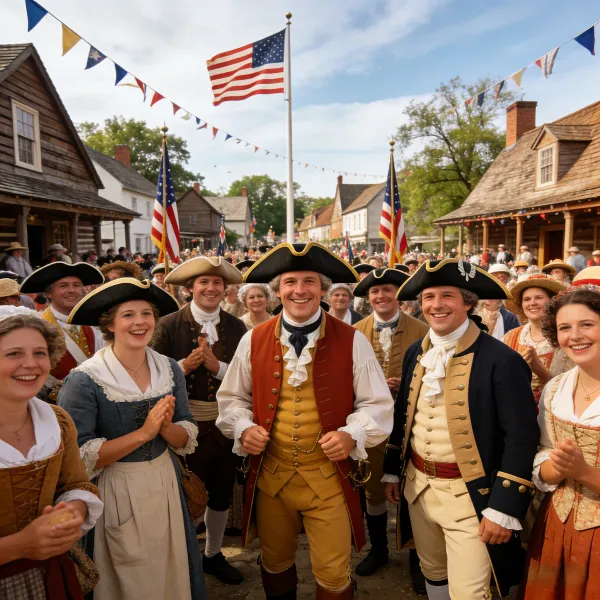
Flag Day is a national observance in the United States, celebrated each year on June 14th, in honor of the adoption of the U.S. flag. The day commemorates the moment when the Continental Congress adopted the Stars and Stripes flag in 1777, a powerful symbol of the nation’s identity and unity. Flag Day is not a federal holiday, but it is recognized by many states and communities across the country, often marked by ceremonies, parades, and educational activities about the history and symbolism of the flag.
It’s a day that reminds Americans of the importance of the flag as a symbol of the nation's values, such as freedom, equality, and patriotism. Many people take part in the celebration by displaying the American flag outside their homes, schools, and businesses.

When Is Flag Day Celebrated in the United States?
Flag Day is celebrated annually on June 14th in the United States. This date marks the adoption of the first official flag of the United States by the Continental Congress in 1777. While it is not a federal holiday (meaning it does not require businesses or government offices to close), Flag Day is still widely recognized and celebrated across the country.
The U.S. Army also observes this day as its birthday, as it was on June 14, 1775, that the Continental Army was formed. Though it is not as widely celebrated as other national holidays like Independence Day or Memorial Day, Flag Day holds significant patriotic value.
Why Is Flag Day Important?
Flag Day is important because it honors the history and symbolism of the American flag, a symbol of the United States’ core values. The flag represents freedom, unity, and pride, and it has undergone several changes since its adoption in 1777, with the stars and stripes added to reflect the growth and development of the nation.
Flag Day is an opportunity to reflect on the principles that the flag stands for, such as liberty and democracy. The day encourages citizens to appreciate the sacrifices made by those who fought for the freedoms represented by the flag, from the Revolutionary War to modern conflicts. It’s a time for people to unite in national pride and honor the flag’s significance in American history.
What Are the Historical Roots of Flag Day?
The origins of Flag Day date back to the late 19th century. Although the U.S. flag was adopted in 1777, Flag Day itself wasn't widely celebrated until 1885, when Bernard J. Cigrand, a schoolteacher, began promoting the idea of observing the day. He suggested that the anniversary of the flag's adoption be celebrated in schools, with lessons on the importance of the flag as a national symbol.
In 1916, President Woodrow Wilson issued a proclamation declaring June 14th as Flag Day, recognizing the flag's importance in American life. While it wasn’t a federal holiday, it was widely observed in many parts of the country. Flag Day was further solidified in 1949 when Congress officially recognized June 14th as National Flag Day.
How Is Flag Day Celebrated Across the U.S.?
While Flag Day is not a public holiday, it is celebrated across the U.S. in various ways. People often participate by displaying the American flag outside their homes, offices, and schools. Communities and local organizations hold parades, ceremonies, and educational events to commemorate the day.
Key ways Flag Day is celebrated:
- Flag-raising ceremonies: Many communities organize ceremonies to raise the U.S. flag, often accompanied by the Pledge of Allegiance and the national anthem.
- Parades: Local parades may feature marching bands, military units, and patriotic displays, celebrating the flag and American heritage.
- School observances: Schools use Flag Day as an opportunity to educate children about the history of the flag and its significance.
- Community events: Many towns and cities host local gatherings, often featuring speeches, music, and community activities to celebrate national pride.
- Veteran honors: Some communities use Flag Day as an occasion to recognize and honor veterans for their service to the country.
- Public speeches: Public officials or community leaders may give speeches about the flag’s history and the values it represents.
What Are the Traditions and Symbols Associated with Flag Day?
Flag Day is steeped in American traditions and symbols that help highlight the flag’s significance in the nation’s identity. Several elements are commonly associated with the observance of this day:
- The American Flag: The flag itself, with its 13 stripes and 50 stars, symbolizes the unity of the states and the sacrifices made for liberty.
- Pledge of Allegiance: Reciting the Pledge of Allegiance is a common way to show respect for the flag and reaffirm patriotism.
- Red, White, and Blue: The colors of the flag—red, white, and blue—are used to symbolize valor and bravery (red), purity and innocence (white), and vigilance, perseverance, and justice (blue).
- Stars and Stripes: The 50 stars represent the 50 states, and the 13 stripes represent the original 13 colonies that declared independence from Britain.
- Military Salutes: Veterans and active-duty military personnel are often honored on Flag Day, highlighting the flag’s role in protecting the nation’s freedoms.
- Songs and Anthems: Patriotic songs such as "The Star-Spangled Banner" and "America the Beautiful" are often sung to celebrate the flag’s significance.
How Can You Observe Flag Day at Home or in Your Community?
Flag Day can be observed in various ways, whether at home, at work, or in the community. Here are some ideas for observing Flag Day:
- Display the Flag: The simplest way to observe Flag Day is by flying the American flag. Make sure it’s displayed properly and with respect, following the U.S. Flag Code guidelines.
- Host a Flag Day Party: Gather with friends and family to celebrate with patriotic decorations, food, and games.
- Participate in a Parade or Ceremony: If there are local Flag Day events, such as parades or ceremonies, attend to show support for the national symbol.
- Educate Others: Teach children and others about the history of the American flag and the significance of Flag Day.
- Volunteer with Veterans Groups: Many veterans' organizations hold special Flag Day events; consider volunteering or attending to show support for those who served.
Conclusion
Flag Day is a day to honor the United States flag and reflect on its symbolism of freedom, unity, and patriotism. While it is not a federal holiday, it serves as an important reminder of the country’s values and the sacrifices made to uphold them. Celebrating Flag Day by displaying the flag, participating in local events, and educating others about its history helps ensure that the meaning of the flag remains strong for future generations.