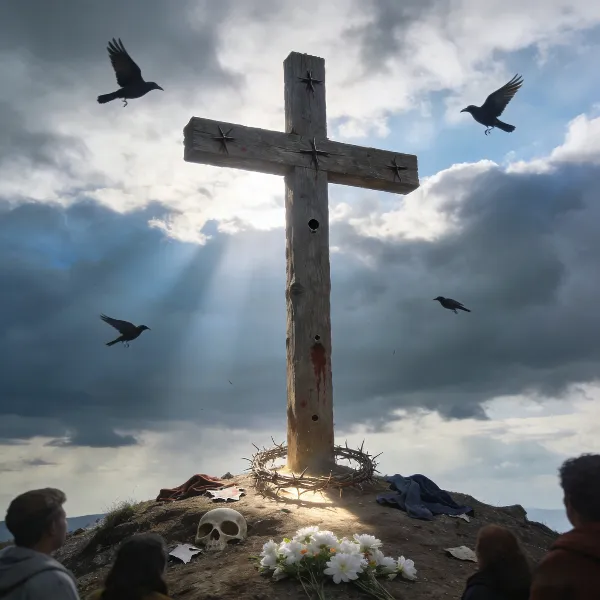
Good Friday is a significant day in the Christian faith, marking the crucifixion and death of Jesus Christ. It occurs on the Friday before Easter Sunday, and it is observed as a solemn occasion to reflect on the sacrifice made by Jesus for humanity's sins. This day serves as a reminder of the suffering and the ultimate act of love for Christians around the world.
On Good Friday, many Christian communities gather to remember the last hours of Jesus' life. The day is seen as a moment for deep reflection on themes of sacrifice, redemption, and the hope that follows through Christ's resurrection.
The importance of Good Friday can be understood from both a theological and historical perspective:
- Theological Significance: It commemorates Jesus' suffering and death for the salvation of humankind.
- Historical Impact: It marks the moment in history when Jesus' mission on Earth reached its dramatic climax, setting the stage for the Resurrection.
For Christians, Good Friday serves as a poignant reminder of the depth of God's love and the path to salvation.
When Is Good Friday Observed in the United States?
Good Friday is observed on the Friday before Easter, which can fall between March 20 and April 23, depending on the lunar calendar. The day is always observed on a Friday, reflecting the tradition of Jesus' crucifixion.
While Good Friday is not a national public holiday in the United States, many states recognize it as a day for religious observance, and some even close businesses and schools. In cities with large Christian populations, special church services, parades, and solemn events mark the occasion.
Though the observance of Good Friday varies across the country, it is widely recognized in:
- Church Services: Most Christian denominations hold church services to mark the day.
- Community Activities: Some communities engage in processions or passion plays depicting the events of the Crucifixion.
How Do Christians Observe Good Friday?
Christians observe Good Friday through a variety of traditions and practices designed to honor the solemnity of the day. These observances are focused on meditation, prayer, fasting, and attending religious services.
Here are some common ways that Good Friday is observed:
- Church Services: Many Christian churches hold special services, such as the "Passion Service," which recounts the events leading up to Jesus' death.
- Fasting: Many Christians fast on Good Friday as a form of penance, either by skipping meals or avoiding certain foods.
- Prayer and Reflection: It is a day dedicated to prayer, reflection, and meditating on the sacrifice made by Jesus.
- Stations of the Cross: In some churches, the Stations of the Cross are observed, which is a devotion that helps Christians visualize the steps leading up to Jesus' death.
- Silent Observance: Some Christians choose to spend the day in silence, reflecting deeply on the suffering of Christ.
These practices vary depending on the denomination, but they all focus on creating an atmosphere of reverence and reflection.
What Are the Common Traditions and Rituals on Good Friday?
Good Friday is filled with distinct rituals and traditions that help Christians mark the occasion. These rituals are designed to reflect on the suffering and death of Jesus Christ.
Common traditions include:
- Good Friday Services: Most Christian denominations hold special services, including scripture readings, hymns, and communion.
- Veneration of the Cross: In many Catholic and Orthodox churches, worshippers venerate the cross, kissing or touching it to express reverence.
- Dramatic Re-enactments: Some communities perform passion plays or re-enactments of Jesus' crucifixion to bring the events to life.
- Fasting and Abstinence: A common practice is to fast or abstain from eating certain foods, particularly meat.
- Quiet Reflection: Many Christians spend the day in quiet contemplation, praying and meditating on the significance of Jesus’ sacrifice.
- Charitable Acts: Some choose to engage in charitable acts as a way of reflecting the love and sacrifice shown by Christ.
These traditions help individuals connect more deeply with the meaning of Good Friday and the events of Jesus' final days.
Why Is Good Friday So Significant in the Christian Faith?
Good Friday holds deep significance in Christianity for a variety of reasons. It is the day when Jesus Christ, in the ultimate act of self-sacrifice, died on the cross for the sins of humanity. Christians believe that through His death, the possibility of salvation was made available to all.
The day symbolizes:
- Sacrifice: Jesus' willingness to endure suffering for the redemption of humankind is seen as the ultimate act of love.
- Redemption: Good Friday is associated with the redemption of humanity through Jesus' death, which Christians believe offers eternal life.
- Hope and Resurrection: The death of Jesus on Good Friday sets the stage for His resurrection on Easter Sunday, which represents victory over sin and death.
In this way, Good Friday marks both a somber remembrance and a hopeful expectation for what follows on Easter Sunday.
How Is Good Friday Different from Other Religious Holidays?
Good Friday is different from other religious holidays due to its focus on sorrow, sacrifice, and solemn reflection. Unlike celebrations such as Christmas or Easter, which are filled with joy and celebration, Good Friday is primarily a day of mourning and quiet reflection.
Some key differences include:
- Focus on Suffering: Good Friday is centered around the suffering and death of Jesus, making it a day of solemn observance.
- Contrasting with Easter: While Easter celebrates the resurrection and joy, Good Friday marks the sacrifice that made Easter possible.
- Minimal Celebrations: Unlike Christmas, Good Friday is not a time for festive gatherings or celebrations. The focus is on personal reflection and worship.
Good Friday is the "penultimate" day of the Holy Week, leading up to Easter, where Christians celebrate the resurrection.
Are There Any Unique Good Friday Customs in the United States?
In the United States, Good Friday is observed in various ways, and some customs are unique to specific regions or communities. While the day is not a federal holiday, it is still widely observed.
Here are a few unique customs:
- Passion Plays: In some parts of the U.S., especially in communities with large Catholic populations, passion plays and re-enactments of Jesus’ final hours are performed.
- Silent Processions: Some towns and cities hold silent processions where participants walk through the streets, reflecting on the solemnity of the day.
- Church Vigils: Some churches hold overnight vigils, where worshippers gather to pray and reflect on Jesus’ sacrifice.
- Good Friday Sales: In some regions, retailers may hold special sales on Good Friday, offering discounts as a way to attract shoppers.
Though these customs are not universal, they add a regional flair to the national observance of Good Friday.
Conclusion
Good Friday holds immense importance for Christians worldwide, symbolizing the sacrifice of Jesus Christ for the salvation of humankind. In the United States, the day is marked by church services, prayer, fasting, and reflection. While Good Friday is a solemn day, it serves as a precursor to the joyous celebration of Easter, representing hope and redemption. Through various traditions and rituals, Christians commemorate this significant day, reflecting on Jesus’ suffering and preparing for the resurrection.