Halloween, celebrated annually on October 31st, is a time for costumes, trick-or-treating, and spooky fun. But what exactly is Halloween, and why do we celebrate it? Rooted in ancient traditions, Halloween has evolved into a major cultural event, especially in the United States. The origins date back to the ancient Celtic festival of Samhain, marking the end of the harvest season and the beginning of winter. The Celts believed that on this night, the boundaries between the living and the dead were blurred, and spirits roamed the earth.
Today, Halloween is largely secular and has been embraced by people of all ages. It’s a celebration of all things spooky, with the modern-day focus on costumes, parties, and community events. While the significance of spirits has faded, Halloween still carries a sense of excitement and mystery. People celebrate by donning creative costumes, decorating their homes, and participating in trick-or-treating, where children go door-to-door for candy.
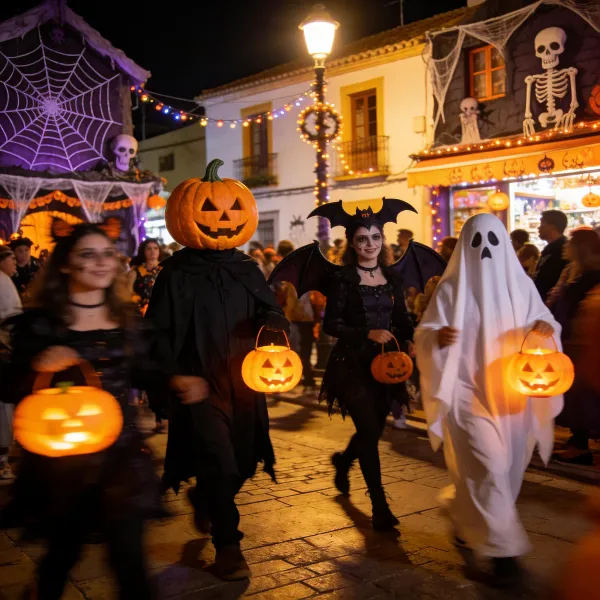
When Is Halloween Celebrated in the United States?
Halloween is celebrated annually on October 31st, a date that remains constant each year. While Halloween traditions vary by region, the day is universally recognized as a time to embrace spooky fun. In the U.S., Halloween has become a major event, with communities across the country taking part in festivities that range from haunted houses to pumpkin patches.
For many, the Halloween season starts in early October, with stores setting up decorations and costume displays. While some people might start celebrating with spooky movie marathons or haunted tours, the primary day of festivities remains October 31st. This is when most people engage in the iconic traditions of dressing up, trick-or-treating, and attending parties.
What Are the Origins and History of Halloween?
Halloween has a long and storied history that stretches back thousands of years. It has its roots in the ancient Celtic festival of Samhain, celebrated in what is now modern-day Ireland and parts of Scotland. Samhain marked the end of the harvest and the onset of winter, a time when people believed the veil between the living and the dead was at its thinnest.
When Christianity spread throughout Europe, many of the traditions of Samhain merged with the Christian holiday of All Saints’ Day (or All Hallows’ Day), observed on November 1st. The evening before became known as All Hallows’ Eve, which eventually evolved into the term “Halloween.” The custom of dressing up in costumes to ward off evil spirits became popular, and the tradition of carving pumpkins, originally using turnips, emerged during this period.
Halloween traditions continued to evolve over the centuries, especially after European settlers brought them to the United States. By the early 20th century, Halloween had transformed into a largely secular holiday, marked by parades, parties, and the fun of dressing up.
How Did Halloween Evolve into the Modern Celebration?
The modern celebration of Halloween in the United States has shifted significantly over the years. In the early 1900s, Halloween was primarily a community-based event, with activities like costume parades and apple bobbing. However, by the 1920s and 1930s, trick-or-treating became a popular tradition, and Halloween evolved into a child-focused holiday.
In the mid-20th century, Halloween began to take on more commercial significance, with the rise of costume companies and candy manufacturers. Halloween became a major retail event, with stores selling costumes, decorations, and other themed products. Television also played a significant role in shaping Halloween’s cultural significance, with annual broadcasts of Halloween specials like “It’s the Great Pumpkin, Charlie Brown.”
Today, Halloween is a multi-billion-dollar industry, with Americans spending billions annually on costumes, candy, and decorations. It has also become a major social event, with people of all ages participating in everything from haunted houses to Halloween-themed parties.
What Are the Most Popular Halloween Traditions and Symbols?
Halloween is rich with traditions and symbols, many of which are deeply rooted in its ancient origins. Here are some of the most popular:
- Trick-or-Treating: Children dress up in costumes and go door-to-door asking for candy, a tradition that started in the early 20th century.
- Costumes: People of all ages wear costumes, often inspired by spooky themes such as ghosts, witches, vampires, and popular culture.
- Pumpkin Carving: Carving pumpkins into jack-o’-lanterns is a beloved Halloween tradition. The practice originated in Ireland using turnips, but pumpkins are more commonly used in the U.S. today.
- Haunted Houses: Many towns and cities host haunted house attractions, where visitors can experience spooky, thrilling scenarios.
- Bonfires: In some cultures, bonfires were lit to ward off evil spirits, and this tradition continues in some areas during Halloween.
- Witches and Ghosts: Witches, ghosts, and other supernatural creatures are commonly associated with Halloween costumes and decorations.
- Candy: Halloween is a candy-lover’s dream, with vast quantities of candy being handed out during trick-or-treating.
How Is Halloween Celebrated Across the United States?
Halloween celebrations can vary by region in the U.S., but there are some common threads that unite the country. In urban areas, Halloween often involves big events like parades, parties, and elaborate haunted houses. In suburban and rural areas, trick-or-treating is the main event, with children visiting neighbors for candy and adults decorating their homes with spooky displays.
Some communities even host Halloween festivals, complete with live music, costume contests, and themed food and drink. For example, in Salem, Massachusetts, a city known for its witch trials, Halloween is celebrated with a month-long festival, attracting visitors from all over the world. In other places like New Orleans, Halloween is celebrated with elaborate masquerade balls and a lively nightlife scene.
Are There Any Fun Facts About Halloween?
Halloween is full of quirky traditions and fun facts. Here are a few:
- The First Halloween Costume: The earliest costumes were simple, often consisting of sheets or cloaks to mimic ghosts and ghouls.
- Halloween’s “Witch” Symbol: The image of the witch on a broomstick comes from ancient folklore, where witches were believed to travel in the night on broomsticks to attend gatherings of other witches.
- Halloween’s Spending Spree: Halloween is one of the biggest spending holidays in the U.S., with billions spent annually on costumes, candy, and decorations.
- Black Cats: Black cats are often associated with Halloween, especially as symbols of bad luck or witches’ familiars, but in some cultures, they’re considered good luck.
Conclusion
Halloween is a celebration of tradition, fun, and a bit of spookiness. From its ancient origins to its current status as a major cultural event, Halloween brings together communities to enjoy costumes, candy, and festivities. Whether it’s trick-or-treating with family, attending a Halloween party, or simply carving pumpkins, Halloween remains one of the most anticipated celebrations of the year. As we continue to embrace this fun-filled holiday, it’s important to remember the rich history and unique traditions that have shaped Halloween into the event it is today.