Hanukkah, also known as the Festival of Lights, is one of the most celebrated Jewish holidays worldwide, particularly in the United States. It marks the miraculous victory of the Maccabees and the rededication of the Holy Temple in Jerusalem. The holiday is celebrated for eight nights and involves various customs, foods, and traditions. In this article, we will explore the meaning of Hanukkah, its cultural significance, and how Jewish families in the U.S. celebrate this joyful occasion.
What Is the Meaning of Hanukkah?
Hanukkah, or Chanukah, is a Jewish holiday that commemorates the rededication of the Second Temple in Jerusalem during the second century BCE. The holiday’s name means “dedication” in Hebrew. It celebrates the miraculous event when a small amount of oil, enough for one night, lasted for eight nights in the menorah of the Temple. This event is the basis for the celebration of Hanukkah, symbolizing hope, resilience, and faith.
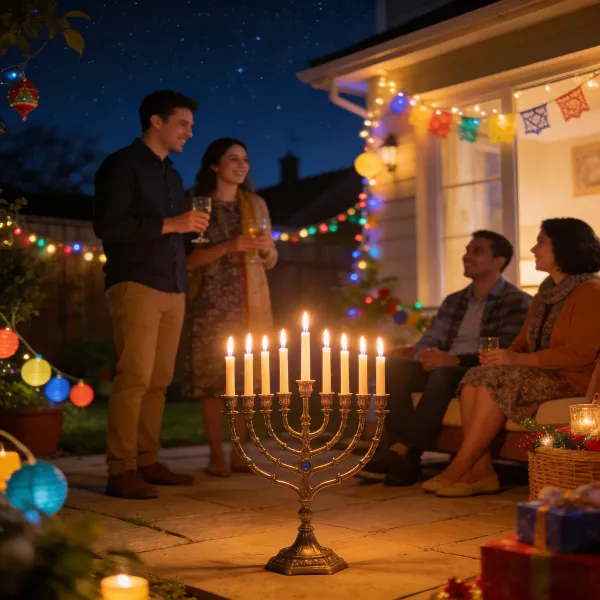
Hanukkah is a time for Jewish families to gather, celebrate, and remember their history. The menorah, a nine-branched candelabra, plays a central role in the holiday. Each night, one additional candle is lit, culminating in all eight candles being lit on the final night.
When Is Hanukkah Celebrated in the United States?
Hanukkah falls on different dates each year, as it is based on the Hebrew calendar. Typically, it begins in late November or early December, lasting for eight nights. The dates vary, so it’s important for Jewish families to know the exact timing each year. In 2026, Hanukkah will begin at sunset on December 10 and end on the evening of December 18.
While Hanukkah is not a public holiday in the United States, Jewish families across the country observe it with great enthusiasm. Schools, businesses, and homes are often decorated, and public celebrations may include lighting the menorah in central locations. This festival holds a deep spiritual and cultural meaning for Jewish communities, reinforcing their heritage and unity.
Why Is Hanukkah Important to Jewish People?
Hanukkah is not just a celebration of a historical event; it represents the triumph of light over darkness, both literally and symbolically. For Jewish people, it is a time to celebrate their perseverance in the face of adversity and to strengthen their connection to their faith and community.
- Cultural Significance: Hanukkah serves as a reminder of Jewish resilience and the enduring spirit of the community.
- Religious Significance: It highlights the importance of the Temple in Jewish history and the divine miracle that allowed the oil to last for eight days.
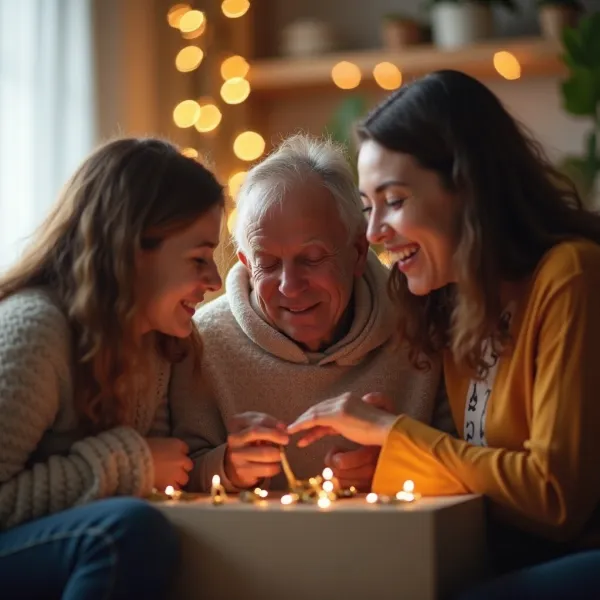
- Family Bonding: The holiday is often celebrated with family, fostering a sense of unity and tradition across generations.
The rituals and customs associated with Hanukkah reinforce Jewish values, such as faith, gratitude, and the importance of family.
What Are the Traditions and Symbols of Hanukkah?
Several traditions and symbols are associated with Hanukkah, each carrying its own meaning and significance. These customs help make the holiday memorable and allow Jewish families to connect with their heritage.
- The Menorah: The central symbol of Hanukkah, the menorah holds nine candles, one for each night of the holiday and the shamash (a helper candle used to light the others).
- Dreidel: A traditional spinning top used during Hanukkah games, it has four sides, each marked with a Hebrew letter representing a phrase: “Nes Gadol Haya Sham” (A great miracle happened there).
- Latkes: Fried potato pancakes, often eaten during Hanukkah, symbolizing the oil used in the Temple's menorah.
- Sufganiyot: Jelly-filled doughnuts, another popular food, symbolizing the miracle of the oil.
- Hanukkah Gelt: Chocolate coins given to children, symbolizing the gifts of money historically given during the holiday.
- Songs and Prayers: Songs such as “Maoz Tzur” are sung, and special prayers like the “Al HaNissim” are recited to give thanks for the miracles of Hanukkah.
How Do People Celebrate Hanukkah in the U.S.?
In the United States, Hanukkah is celebrated in various ways depending on family traditions and regional customs. The following activities are commonly observed during the holiday:
- Lighting the Menorah: Each evening, families gather to light the menorah, adding one candle each night. Blessings are recited, and the entire family enjoys the moment together.
- Special Meals: Families often gather for festive meals, with latkes and sufganiyot being central dishes. These meals are a time for reflection, gratitude, and bonding.
- Gift-Giving: While not as central as Christmas, gift-giving is a common practice, especially for children. Gifts may range from small toys to more meaningful items like books or jewelry.
- Community Events: Many Jewish communities host public menorah lightings, Hanukkah parties, and concerts. These events help foster a sense of togetherness and celebrate Jewish identity.
- Educational Activities: Some families use Hanukkah as an opportunity to educate their children about Jewish history, culture, and the meaning of the holiday.
What Are Some Fun Facts About Hanukkah?
Hanukkah is filled with unique traditions and interesting facts that make the holiday even more special:
- It’s Not the Jewish “Christmas”: While Hanukkah is celebrated around the same time as Christmas, it is not the Jewish equivalent of Christmas. Hanukkah is a celebration of a historical event, while Christmas is a religious holiday commemorating the birth of Jesus.
- The Miracle of the Oil: The central miracle of Hanukkah involves the oil that burned for eight days, though there was only enough oil for one. This miracle is at the heart of the holiday’s celebrations.
- Hanukkah Wasn’t Always Celebrated with Gifts: Traditionally, Hanukkah was a time for giving small gifts or coins to children, but the modern practice of gift-giving has evolved over time.
- Hanukkah and the Moon: Hanukkah begins on the 25th day of the Hebrew month of Kislev, which usually falls in late November or December. This timing is significant as it often coincides with the full moon.
Conclusion
Hanukkah is a vibrant and meaningful holiday for Jewish communities around the world, especially in the United States. The holiday celebrates the triumph of light over darkness, resilience in the face of adversity, and the importance of faith, family, and tradition. Whether through the lighting of the menorah, the sharing of special meals, or the joy of spending time with loved ones, Hanukkah brings Jewish families together to celebrate their heritage and create lasting memories.