Independence Day, also known as the Fourth of July, is one of the most significant national holidays in the United States. It commemorates the adoption of the Declaration of Independence on July 4, 1776, marking the birth of the nation. On this day, Americans celebrate their freedom and patriotism with grand festivities, reflecting on the sacrifices made by those who fought for the country’s independence. Let’s explore what makes this day so special.
When Is Independence Day Celebrated?
Independence Day is celebrated annually on July 4th in the United States. This date is historically significant because it marks the anniversary of the signing of the Declaration of Independence, when the Thirteen Colonies declared their freedom from British rule in 1776. Although the exact date of the signing is debated, July 4th remains the officially recognized day to commemorate the nation’s independence.
This celebration, recognized nationwide, is a federal holiday, meaning that government offices, schools, and most businesses are closed, giving families the opportunity to come together and celebrate. Many Americans take this day as an opportunity to relax, enjoy outdoor activities, and partake in community events like fireworks displays, barbecues, and parades.
Why Is Independence Day Celebrated in the United States?
Independence Day holds profound significance in the United States, as it marks the country's emergence as a sovereign nation. It signifies the moment when the United States declared its independence from Britain, ending over 150 years of colonial rule. This declaration was the result of growing tensions between the colonies and the British government, fueled by issues such as unfair taxation, lack of representation in Parliament, and British military occupation.
The Declaration of Independence, drafted by Thomas Jefferson and signed by representatives from the Thirteen Colonies, served as a formal statement of freedom. On July 4, 1776, the Continental Congress officially adopted the document, symbolizing a new beginning for the colonies and the creation of a democratic republic based on the ideals of liberty and equality.
Independence Day is celebrated to honor the bravery and sacrifices of those who fought for this freedom and to remind citizens of the principles of democracy, justice, and self-determination that the United States was founded upon.
What Are the Key Events and Traditions of Independence Day?
Independence Day is marked by a variety of traditions and events that celebrate American freedom and heritage. These traditions are deeply rooted in history and have been passed down for generations. Some key events and activities include:
- Fireworks Displays: Fireworks are a quintessential part of Independence Day celebrations. Across the country, fireworks light up the sky in cities and towns, symbolizing the “rockets’ red glare” mentioned in the national anthem. These displays are often accompanied by patriotic music and are enjoyed by people of all ages.
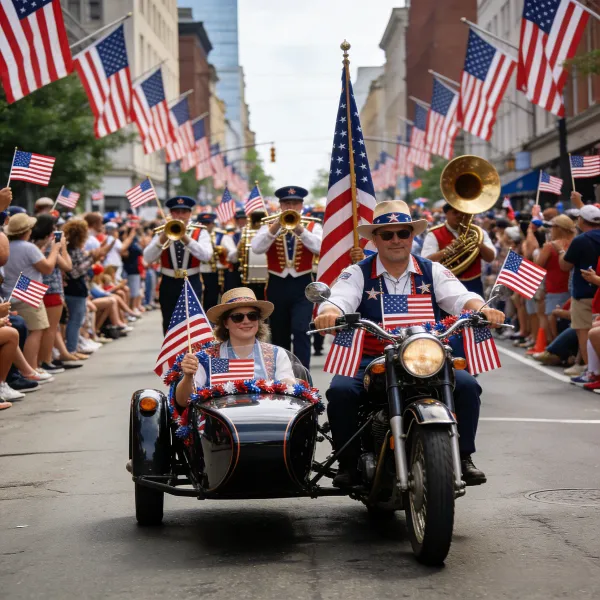
- Parades: Independence Day parades are a tradition in many communities, with marching bands, military units, and civic groups participating. These parades celebrate American pride and are a way to honor veterans, first responders, and other community members.
- Barbecues and Picnics: Many families and friends gather for barbecues and picnics to celebrate the day. Classic American foods like hot dogs, hamburgers, and apple pie are common staples at these gatherings, making food a central part of the celebration.
- Concerts and Festivals: Cities often host concerts, festivals, and outdoor events to celebrate the holiday. These events may feature live music, food vendors, and activities for children, creating an atmosphere of joy and unity.
- Raising the American Flag: Flying the American flag is a traditional way to show patriotism on Independence Day. Many families and organizations display the flag in front of their homes or businesses.
- Reading the Declaration of Independence: Some communities hold events where the Declaration of Independence is read aloud to remind people of the historical significance of the day. This is a chance for people to reflect on the values the country was built upon.
- Patriotic Decorations: Independence Day celebrations often include red, white, and blue decorations in public spaces and private homes. These colors are symbolic of the American flag and serve as visual representations of the country's values.
How Is Independence Day Celebrated Across the U.S.?
Across the United States, Independence Day is celebrated in different ways depending on the region and local traditions. While some activities are common nationwide, certain states and cities have unique ways of honoring the holiday.
In major cities like New York, Washington D.C., and Los Angeles, large-scale firework displays and concerts draw large crowds. For example, the Macy’s 4th of July Fireworks in New York City is one of the largest fireworks shows in the country. In Washington D.C., the National Fireworks Display takes place on the National Mall, often accompanied by a live concert featuring the National Symphony Orchestra.
In smaller towns, local parades and community gatherings are more common. Many rural areas celebrate with traditional picnics, barn dances, and small-town parades. Across the country, state fairs, community barbecues, and local festivals also play an important role in the celebrations.
What Are the Iconic Symbols of Independence Day?
Independence Day is filled with symbolic elements that represent the values and history of the United States. Some of the most iconic symbols associated with the holiday include:
- The American Flag: The flag represents the nation’s unity and freedom. It is often prominently displayed during Independence Day celebrations and is a symbol of patriotism.
- The Bald Eagle: As the national bird of the United States, the bald eagle is often featured in Independence Day celebrations, representing strength and freedom.
- The Liberty Bell: An iconic symbol of American independence, the Liberty Bell is closely associated with the Declaration of Independence. Though it no longer rings, its image is still an important symbol of liberty.
- The Stars and Stripes: The design of the American flag, with its stars representing the states and stripes representing the original colonies, is a powerful symbol of the country’s history and independence.
- Fireworks: The explosion of fireworks on the Fourth of July is not only a visual spectacle but also symbolizes the “rockets’ red glare” from the national anthem, reminding citizens of the sacrifices made for freedom.
- The Statue of Liberty: An international symbol of freedom, the Statue of Liberty is a representation of the welcoming spirit of the United States and the ideals of liberty and justice for all.
- Uncle Sam: A national personification of the United States, Uncle Sam is often depicted as a patriotic figure wearing a top hat adorned with stars and stripes. He is commonly used in Independence Day imagery.
How Did Independence Day Become a National Holiday?
Independence Day became an official national holiday in 1870 when Congress designated July 4th as a federal holiday. The movement to establish the holiday was driven by the desire to formally recognize and celebrate the nation’s independence. Over the years, the significance of Independence Day has grown, with celebrations and traditions becoming a central part of American life.
In the 20th century, as the U.S. became a global power, Independence Day celebrations also took on an international aspect. The day is not only a time for Americans to reflect on their history but also to showcase the values of democracy, liberty, and freedom to the world.
What Are Some Fun Facts About Independence Day?
Independence Day is full of fascinating facts and stories. Here are some fun and lesser-known facts about the holiday:
- John Adams Thought July 2nd Was the True Independence Day: John Adams, one of the Founding Fathers, believed that July 2nd, the day the Continental Congress voted to declare independence, should have been celebrated as the nation's birthday.
- The First Independence Day Celebration Was in 1777: The first anniversary of independence was celebrated in 1777 with fireworks, bonfires, and public readings of the Declaration of Independence.
- Americans Consume Over 150 Million Hot Dogs on the 4th of July: The Fourth of July is one of the busiest days for grilling in the U.S., with millions of hot dogs consumed during barbecues and picnics.
- Fireworks Can Be Traced Back to Ancient China: Fireworks, a staple of Independence Day celebrations, were invented in China over 2,000 years ago and were originally used for religious ceremonies and festivals.
- Independence Day Wasn’t Celebrated Nationwide Until the 19th Century: While Independence Day was declared in 1776, it wasn’t until the 1800s that celebrations began to be held on a larger scale across the country.
- The U.S. Flag’s 50 Stars Represent the 50 States: Each star on the American flag represents one of the 50 states, while the 13 stripes represent the original Thirteen Colonies.
- Independence Day is the Deadliest Day for Fireworks Injuries: While fireworks are a beloved tradition, they also pose a risk. Independence Day sees the highest number of fireworks-related injuries in the U.S.
Conclusion
Independence Day is more than just a day off from work; it is a time to honor the values and history of the United States. From fireworks displays to parades, barbecues to patriotic symbols, Independence Day brings Americans together to celebrate the freedom and democracy that the nation was founded upon. It is a day to reflect on the sacrifices of those who fought for independence and to cherish the principles of liberty, justice, and equality. Whether you are participating in community events or enjoying time with loved ones, Independence Day remains a cherished holiday that unites the nation in pride and patriotism.