International Women’s Day is a global celebration that honors the social, economic, cultural, and political achievements of women. It is also a day to raise awareness about gender inequality and to advocate for gender equality. Celebrated annually on March 8th, International Women’s Day serves as both a time of reflection on progress made and a call to action for achieving equality and justice for women worldwide. It is observed in numerous countries, each with its own unique customs, but the core message remains the same: equality and empowerment for women.
When Is International Women’s Day Celebrated?
International Women’s Day is celebrated on March 8th every year, marking the anniversary of the 1908 New York City garment workers' strike. This date holds historical significance, as it reflects the ongoing struggle for women’s rights and equality. The day has gained international recognition over time, especially since it was officially adopted by the United Nations in 1977.
- March 8th Anniversary: March 8th was chosen due to its historical significance as the day the 1908 strike occurred, where women demanded better working conditions.
- Global Recognition: The day is observed in more than 100 countries worldwide, each with different activities and events.
- Connection to Women's Rights Movements: This day is also closely tied to the wider women’s rights movement, reminding the world of the continued fight for gender equality.
Why Is International Women’s Day Important?
International Women’s Day is a significant occasion for acknowledging the achievements and contributions of women across all sectors of society. It also serves as an important platform to address the systemic inequalities that still exist in many parts of the world.
- Raises Awareness of Gender Inequality: The day highlights the ongoing struggles that women face, including unequal pay, gender-based violence, and lack of access to education.
- Celebrates Women’s Achievements: It serves to celebrate the incredible achievements of women in various fields such as politics, science, arts, and business.
- Promotes Action for Equality: International Women’s Day also serves as a call to action for furthering gender equality, empowering women, and advancing women’s rights worldwide.
- Fosters Inclusivity and Empowerment: It encourages women to take leadership roles, challenge societal norms, and demand their rights, promoting empowerment and independence.
What Are the Key Traditions and Symbols of International Women’s Day?
International Women’s Day comes with its own set of traditions and symbols, which reflect the significance of the day and its focus on equality and empowerment.
- The Purple Color: Purple is the color most associated with International Women’s Day, symbolizing justice and dignity.
- The International Women’s Day Logo: The official logo of International Women’s Day features a symbol of a woman holding a raised fist, symbolizing resistance and empowerment.
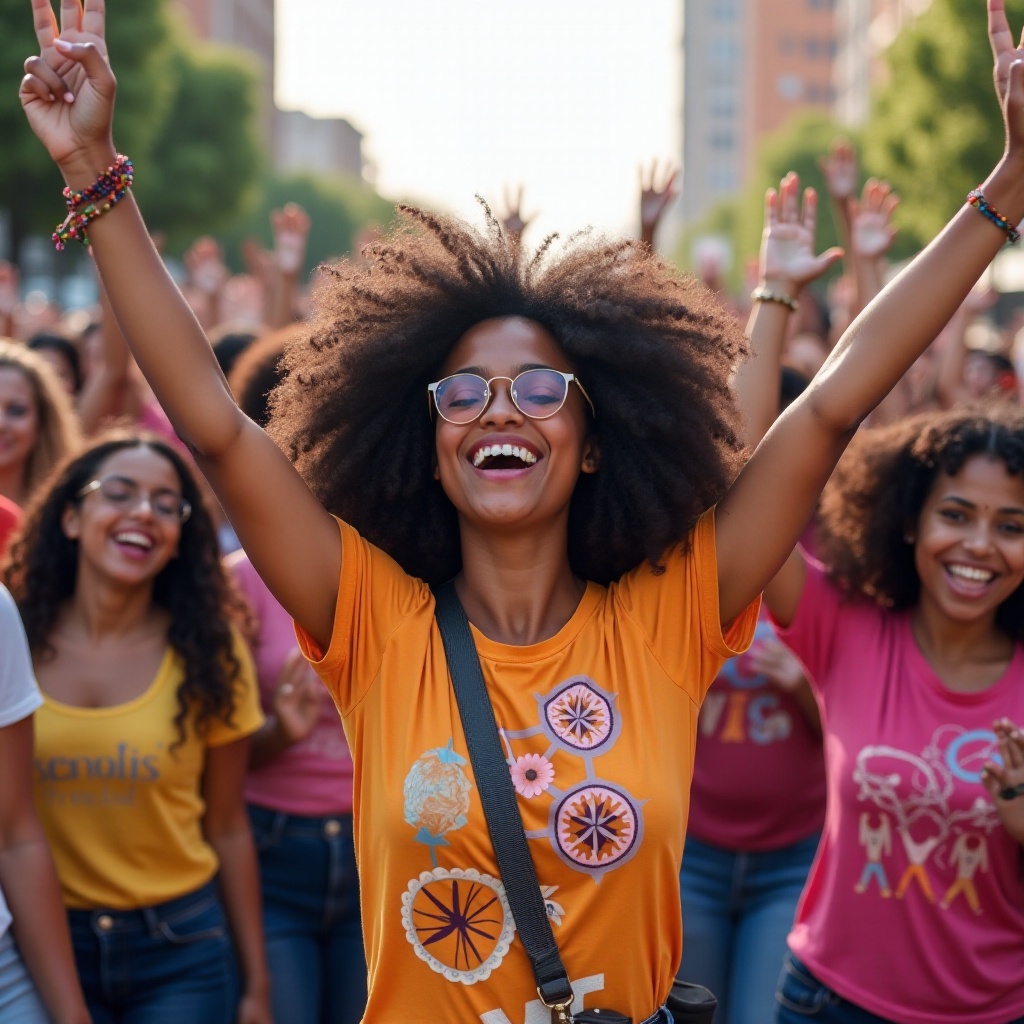
- Women’s Marches and Rallies: Across the globe, people organize marches and rallies to celebrate women’s achievements and demand equal rights.
- Workshops and Conferences: Many organizations host educational workshops, panel discussions, and conferences focused on women’s issues.
- Charity Events: Fundraising activities and charity events are often held to support women’s causes, such as promoting female education and combating gender-based violence.
- Social Media Campaigns: Social media plays a significant role in the day’s observance, with hashtags like #IWD and #ChooseToChallenge being used to spread awareness.
- Community Celebrations: Local communities often host smaller gatherings to discuss women’s rights and provide opportunities for networking and support.
How Is International Women’s Day Celebrated Globally?
International Women’s Day is celebrated globally, with each country and region adding its own unique twist to the festivities. However, the underlying message of equality and empowerment remains constant worldwide.
- United States: In the U.S., various organizations host events, including panel discussions, rallies, and community-based activities. The day is often used to highlight issues such as gender pay inequality and sexual harassment.
- United Kingdom: In the U.K., there are often large-scale public events, and celebrities and political leaders participate in promoting gender equality.
- India: India has seen an increasing number of women’s marches, educational events, and charity drives on International Women’s Day, often focused on domestic violence and women’s health.
- Australia: Australia celebrates with educational workshops, public art displays, and marches aimed at promoting women’s rights.
- South America: In countries like Argentina and Brazil, International Women’s Day has become a day for political activism, with large marches and protests against gender-based violence.
How Does International Women’s Day Impact Gender Equality?
International Women’s Day has had a significant impact on promoting gender equality, not only by raising awareness but also by initiating movements that push for legal and societal change. The day encourages the world to reflect on the progress made and the work still needed to achieve full gender equality.
- Focus on Gender-Based Violence: The day brings attention to the global issue of gender-based violence, encouraging legal reforms and social change.
- Encouragement for Equal Pay: International Women’s Day serves as a reminder of the wage gap between men and women and advocates for equal pay for equal work.
- Policy Reforms: Over the years, the celebrations and discussions around International Women’s Day have influenced policy changes aimed at empowering women and ensuring their rights.
- Changing Social Norms: The day encourages a shift in societal attitudes, challenging stereotypes, and pushing for greater representation of women in leadership roles.
Are There Any Notable Milestones in the History of International Women’s Day?
International Women’s Day has a rich history, with several key milestones that have shaped its global significance.
- The 1908 New York City Strike: The 1908 strike of women garment workers in New York City is considered a pivotal moment in the history of International Women’s Day.
- 1975 United Nations Adoption: The United Nations officially recognized March 8th as International Women’s Day in 1975, marking a major step in its global observance.
- The Rise of #MeToo Movement: In recent years, the #MeToo movement has brought greater visibility to the issue of sexual harassment, coinciding with the celebration of International Women’s Day.
- Women’s Political Participation: One of the most significant milestones has been the increasing number of women participating in politics, including the election of female leaders around the world.
Conclusion
International Women’s Day is more than just a celebration; it is a call to action. It serves to honor the achievements of women, reflect on the work that remains, and push for continued progress toward gender equality. By celebrating this day, we not only acknowledge the struggles women face but also encourage a global movement toward empowering women and eliminating gender-based discrimination.