Juneteenth National Independence Day is a significant holiday in the United States, celebrated annually on June 19th. The day marks the liberation of enslaved African Americans in Texas, two and a half years after the Emancipation Proclamation was signed. It commemorates freedom, resilience, and the ongoing fight for equality. In recent years, Juneteenth has gained increased recognition and is celebrated across the country with parades, family gatherings, and cultural events. This day highlights the importance of remembering African American history and honoring the struggles and achievements of the past.
When Is Juneteenth National Independence Day Celebrated?
Juneteenth is celebrated on June 19th every year. The date commemorates June 19, 1865, when Union soldiers, led by Major General Gordon Granger, arrived in Galveston, Texas, and informed enslaved African Americans that they were free. This announcement came two years after President Abraham Lincoln issued the Emancipation Proclamation, which had already declared slaves in Confederate states to be free. While the Emancipation Proclamation was effective in some regions, its enforcement was delayed in Texas due to the Civil War and the lack of Union presence.
- June 19th marks the day when news of freedom finally reached enslaved people in Texas.
- Federal holiday: Juneteenth became an official U.S. federal holiday in 2021, making it a moment of national reflection and celebration.
- Symbol of freedom: It represents the delayed liberation of African Americans and their long road to equality.
- Why June 19th: It was not until this date that enslaved African Americans in the westernmost Confederate state learned of their freedom.
Why Is Juneteenth National Independence Day Significant?
Juneteenth is significant because it not only commemorates the end of slavery in Texas but also serves as a reminder of the broader struggle for civil rights and justice. The day represents the resilience of African Americans in the face of oppression and their continued fight for equality. It marks a pivotal moment in U.S. history, where the promise of freedom and equality, though delayed, was eventually realized for millions.
- End of slavery: Juneteenth marks the formal end of slavery in the United States, specifically in Texas, the last state where slavery was legally recognized.
- A day of reflection: It is a time to reflect on the long journey to freedom and the importance of civil rights.
- Highlighting struggles for equality: Juneteenth serves as a reminder of the ongoing struggle for racial justice in America.
- Resilience and achievement: It is a day to celebrate the achievements and resilience of African Americans throughout history.
- Freedom and self-determination: The day represents the freedom to live without enslavement and the right to make choices about one’s own life.
What Are the Key Events That Led to the Creation of Juneteenth?
Juneteenth arose from a series of pivotal events in U.S. history that led to the end of slavery and the fight for African American rights. The events surrounding the Emancipation Proclamation, the Civil War, and the eventual arrival of Union troops in Texas helped shape the creation of Juneteenth. Key moments include:
- The Emancipation Proclamation (1863): Issued by President Abraham Lincoln, it declared the freedom of enslaved people in Confederate states.
- The Civil War: The war between the Union and the Confederacy determined the fate of slavery in the U.S.
- Union Army’s arrival in Texas (1865): Major General Granger’s announcement on June 19th, 1865, declared enslaved people in Texas free.
- The delayed enforcement: Due to the remote location and limited Union presence in Texas, it took more than two years for the proclamation to reach all enslaved individuals.
How Do Americans Celebrate Juneteenth National Independence Day?
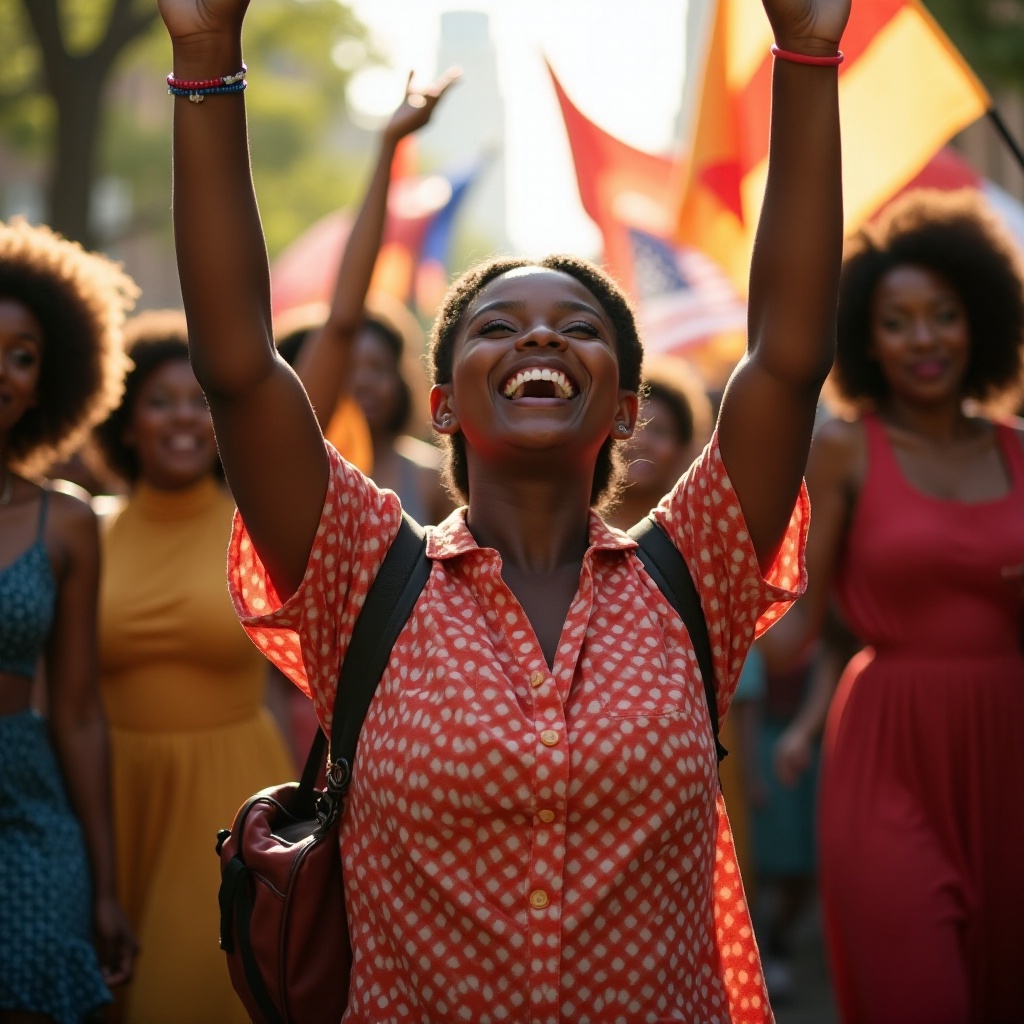
Across the United States, Juneteenth is celebrated in various ways that reflect the rich cultural history and resilience of African Americans. Celebrations include family reunions, music, dancing, and communal meals. Juneteenth provides an opportunity for people of all races to reflect on the significance of freedom and the ongoing fight for equality.
- Community celebrations: Cities and towns host parades, festivals, and concerts to honor African American heritage and culture.
- Family gatherings: Many families use the day to reunite and share in the joy of freedom, often with traditional foods and storytelling.
- Educational events: Schools, museums, and community organizations hold events that educate the public about the history of Juneteenth and African American culture.
- Public ceremonies: Many states hold official ceremonies, including speeches by community leaders, musicians, and historians, to highlight the significance of the day.
What Are the Cultural and Historical Traditions of Juneteenth?
Juneteenth celebrations are rich with cultural and historical traditions that reflect the African American experience. Many of the traditions stem from the roots of African American culture and highlight the importance of family, unity, and resilience. Some of the most significant traditions include:
- Traditional foods: Foods like barbecued meats, red velvet cake, watermelon, and other southern comfort foods are popular during Juneteenth celebrations.
- Music and dance: Music genres like gospel, blues, jazz, and hip-hop are often featured, along with traditional African American dances.
- Reading the Emancipation Proclamation: Some communities read the Emancipation Proclamation aloud as a reminder of the historical context.
- Historical reenactments: Some communities hold reenactments of key events leading to the end of slavery, such as the arrival of Union soldiers in Texas.
How Is Juneteenth National Independence Day Observed in Different States?
While Juneteenth is a federal holiday, it is celebrated differently in various states. Each state brings its own unique traditions and events to the day, reflecting the diversity of African American communities across the country. Some states have large-scale festivals, while others focus on educational events or smaller community gatherings.
- Texas: As the birthplace of Juneteenth, Texas hosts some of the largest celebrations, including parades and historical exhibits.
- California: Many cities in California organize street festivals, concerts, and barbecues to mark the occasion.
- New York: Juneteenth celebrations in New York include art exhibits, performances, and public readings of historical documents.
- Georgia: In Georgia, Juneteenth celebrations often feature church services and community outreach events to raise awareness about African American history.
Are There Any Notable Juneteenth Celebrations in the United States?
Some of the most notable Juneteenth celebrations in the United States take place in cities with a large African American population or significant historical ties to the holiday. These events often include a mix of cultural performances, educational programs, and community gatherings.
- Houston, Texas: Known for having one of the oldest Juneteenth celebrations, Houston hosts a large parade and festival with music, food, and speeches.
- Atlanta, Georgia: The city's celebrations include concerts, storytelling, and a large parade to honor African American history.
- Chicago, Illinois: Chicago hosts an array of events, from musical performances to community dinners, to celebrate the day.
- Washington, D.C.: In the nation’s capital, Juneteenth celebrations include public readings of historical documents and museum exhibits on African American history.
Conclusion
Juneteenth National Independence Day serves as an important day of remembrance, reflection, and celebration. It honors the end of slavery in the United States and the resilience of African Americans. Celebrated with a variety of cultural, educational, and community events, Juneteenth is more than just a holiday; it is a powerful reminder of the progress made and the ongoing work towards racial equality in America. As the nation continues to confront issues of justice and equality, Juneteenth serves as both a celebration of freedom and a call to action for the future.