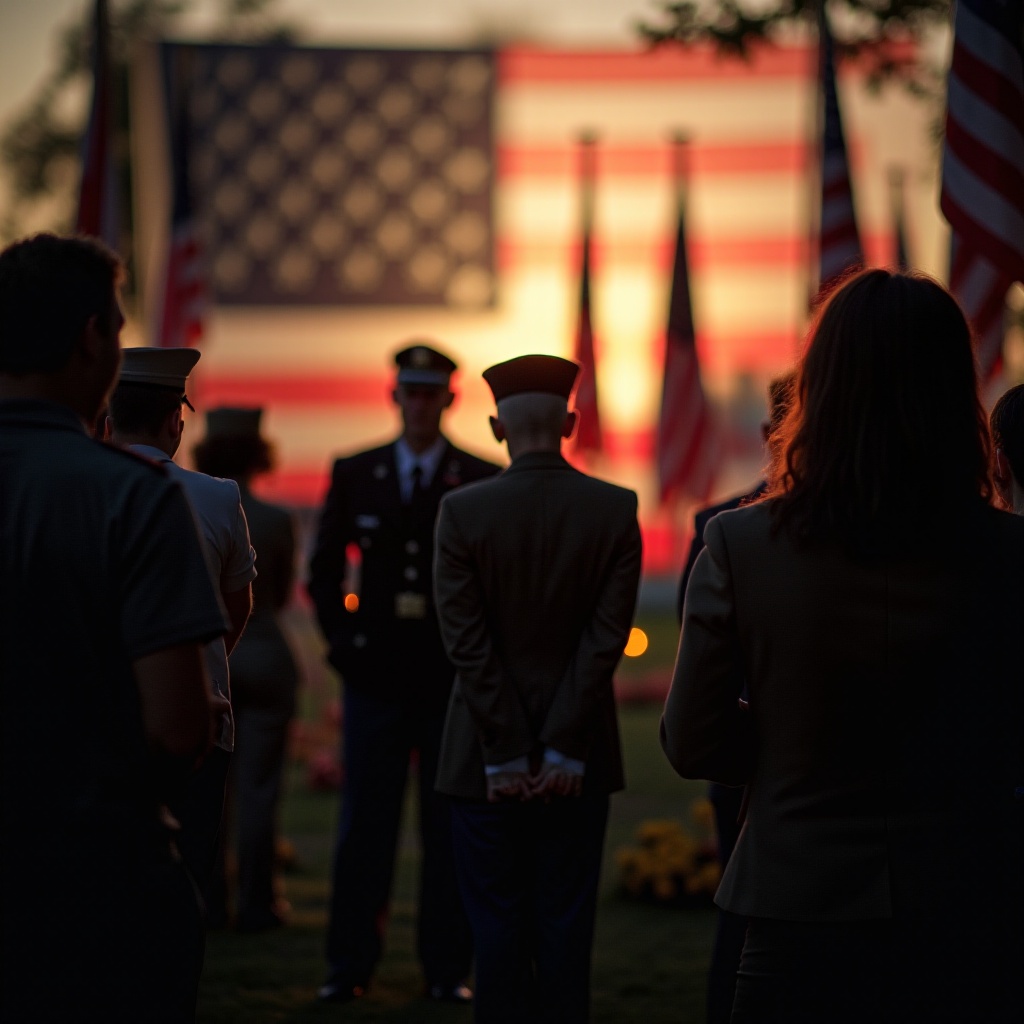
Labor Day is a national holiday in the United States, celebrated on the first Monday of September each year. It honors the American labor movement and the contributions of workers to the country’s prosperity and well-being. Labor Day serves as a day to recognize the hard work and achievements of the labor force, which has shaped industries, communities, and the nation as a whole. It is not only a time to celebrate workers but also marks the unofficial end of summer for many Americans.
Labor Day’s origin dates back to the late 19th century, amid the industrial revolution when labor unions fought for better working conditions and fair wages. The day was established as a public holiday in the wake of labor protests and strikes. Over time, it has evolved into a day of relaxation, barbecues, parades, and family gatherings, while still maintaining its roots in honoring American workers.
When Is Labor Day Celebrated in the United States?
Labor Day is observed on the first Monday of September every year, which means its exact date changes annually. The celebration has been held on this specific Monday since its establishment as a federal holiday in 1894. The date holds significance as it falls just before the start of the school year for many students and marks the end of the summer season. This timing also makes it a popular occasion for vacations, family reunions, and outdoor activities.
While the date changes each year, the tradition of celebrating Labor Day remains consistent, with festivities taking place across the country. Whether you’re enjoying a long weekend with friends or participating in local parades, Labor Day is a time for relaxation and reflection on the contributions of American workers.
Why Is Labor Day Celebrated?
Labor Day was created to celebrate the labor movement, which fought for workers' rights, fair wages, and better working conditions in the late 19th and early 20th centuries. The holiday also aims to acknowledge the critical role that workers play in the economic development of the United States. During this period, workers, especially in factories and on railroads, faced harsh working conditions, long hours, and low wages.
As the labor movement gained momentum, labor unions pushed for changes, advocating for safer working environments, reasonable work hours, and the right to collectively bargain. The creation of Labor Day was a response to these efforts, recognizing the sacrifices and contributions of the American workforce.
Over time, Labor Day has transformed into more than just a day of labor-related commemoration. It is a cultural and societal marker of the end of summer, the beginning of the school year, and a chance to spend time with family and friends. Despite these changes, its core purpose remains to honor the working men and women who have helped shape the U.S. economy.
What Are the Most Popular Labor Day Traditions?
Labor Day is widely recognized for its outdoor celebrations, family gatherings, and community activities. Here are some of the most popular traditions associated with the holiday:
- Barbecues and Picnics: Many families and friends gather for barbecues or picnics, enjoying classic American foods like hamburgers, hot dogs, and grilled vegetables.
- Labor Day Parades: Cities and towns across the United States host parades featuring marching bands, local businesses, labor unions, and colorful floats.
- Beach Trips: Since Labor Day marks the unofficial end of summer, many people head to the beach to enjoy the last of the warm weather.
- End-of-Summer Sales: Retailers offer major discounts on products like clothing, appliances, and electronics, making it a popular time for shopping.
- Fireworks Displays: Some regions host fireworks shows to cap off the day’s celebrations, offering a spectacular finale to Labor Day.
- Sports Events: Many Americans watch sports on Labor Day, from professional football games to community softball tournaments.
- Outdoor Activities: People also enjoy outdoor activities like hiking, biking, or barbecuing in the park as part of the holiday celebrations.
These traditions emphasize relaxation, fun, and togetherness, making Labor Day a day for both personal reflection and enjoyment of time with loved ones.
How Do People Celebrate Labor Day Across the U.S.?
Labor Day celebrations vary across the United States, depending on the region and local customs. However, the holiday is generally marked by similar themes of family, food, and outdoor enjoyment. In major cities, people participate in large-scale events, including parades, concerts, and public festivals. In smaller towns, the festivities tend to be more intimate, often centered around local community gatherings or family barbecues.
- New York City: Known for its spectacular parades, including the West Indian Day Parade and the Labor Day Parade, NYC celebrates with multicultural flair and a focus on workers’ rights.
- Chicago: Labor Day in Chicago is often associated with labor history and workers' rights, with local events and festivals.
- California: On the West Coast, many people take advantage of the coastal areas, heading to beaches for water sports or beachside picnics.
- Southern States: In the South, Labor Day often involves barbecues, pool parties, and large family gatherings.
- Rural Areas: In rural parts of the country, people may celebrate with community festivals or agricultural fairs that highlight local produce and crafts.
Regardless of the location, Labor Day is a time for people to enjoy the final moments of summer before the busy fall season begins.
What Are Some Labor Day Parades and Events You Shouldn't Miss?
Labor Day parades are a hallmark of the holiday, showcasing local culture, history, and the contributions of labor unions. Some of the best parades and events include:
- The Labor Day Parade in New York City: This iconic parade celebrates labor unions and workers' rights, featuring union members, dignitaries, and entertainers.
- Chicago’s Labor Day Parade: One of the oldest in the country, this parade honors the city’s working class with vibrant displays and historical exhibits.
- Los Angeles Labor Day Parade: Featuring entertainment, local businesses, and community organizations, this parade is a great way to enjoy the cultural diversity of the city.
- Washington, D.C. National Labor Day Festival: Held at the National Mall, this event includes speeches from leaders in the labor movement, as well as music and family-friendly activities.
- Labor Day Festival in Miami: This lively festival is known for its mix of music, food, and colorful displays, celebrating the vibrant labor community in South Florida.
These events offer a chance to enjoy live music, entertainment, food, and, most importantly, a sense of community and appreciation for American workers.
Are There Any Interesting Facts About Labor Day?
Labor Day is rich in history, and many facts about the holiday highlight its evolution and cultural significance:
- First Celebrated in 1882: The first Labor Day parade was held in New York City on September 5, 1882, and was organized by the Central Labor Union.
- Creation of the Holiday: Labor Day became a national holiday in 1894, after the Pullman Strike led to a compromise between the government and labor unions.
- A Day for Workers: It’s the only national holiday dedicated solely to honoring the contributions of American workers.
- Labor Day Marks the End of Summer: In many ways, Labor Day marks the end of the summer season, with families spending the weekend outdoors before the school year begins.
- Different from May Day: Unlike many other countries, the U.S. celebrates Labor Day in September, while May Day (International Workers' Day) is celebrated in other parts of the world.
These facts give Labor Day a deeper cultural meaning, not just as a day off, but as a celebration of the hard work that drives the nation.
Conclusion
Labor Day is much more than just a day for barbecues and sales. It is a time to reflect on the history of the American labor movement, honor the achievements of workers, and appreciate the role that hard work plays in shaping the nation. While the celebrations may vary from one region to another, the core purpose of Labor Day remains the same: to recognize the importance of American workers and their contributions to society.