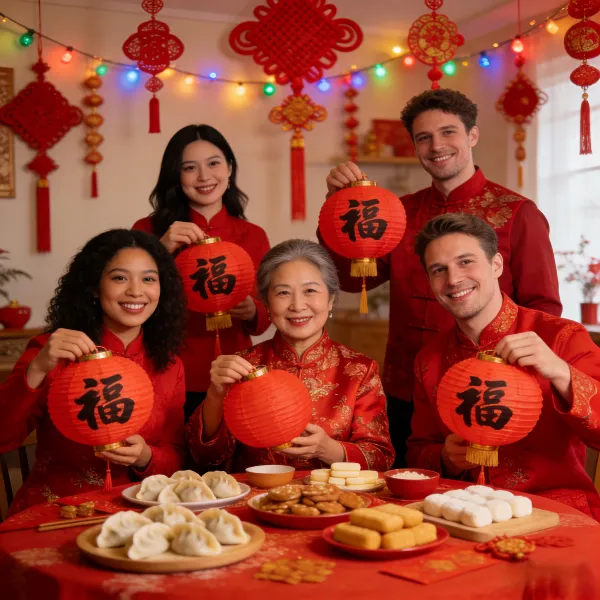
Lunar New Year is one of the most significant cultural celebrations in many parts of the world, particularly in Asian countries. It marks the first day of the lunar calendar, which differs from the Gregorian calendar commonly used in the United States. In the U.S., it’s celebrated by millions of people of Asian descent, with festivities rooted in Chinese, Vietnamese, Korean, and other cultural practices.
This celebration, often referred to as the Chinese New Year in the U.S., typically involves family gatherings, feasts, and various cultural activities. It is an occasion for honoring ancestors, celebrating new beginnings, and wishing for good fortune in the year ahead. The celebrations often last for several days, culminating in vibrant parades and public events.
When Is Lunar New Year Celebrated?
Lunar New Year typically falls between January 21 and February 20, depending on the cycles of the moon. The exact date varies from year to year, as it’s based on the lunar calendar rather than the fixed date of January 1st, as seen in the Western New Year.
In the United States, the celebration usually begins with family dinners on New Year’s Eve, followed by public festivities that last up to two weeks. It’s a time when millions of people gather together, exchanging well-wishes, preparing traditional foods, and enjoying various cultural performances.
- Chinese New Year: Usually between January 21 and February 20.
- Vietnamese Tet: Typically occurs on the same day as Chinese New Year.
- Korean Seollal: Also celebrated around the same time as the Chinese and Vietnamese New Year.
These dates are marked by vibrant celebrations in cities with large Asian communities, such as San Francisco, New York, and Los Angeles.
Why Is Lunar New Year Important?
Lunar New Year is not only a celebration of the arrival of a new year but also holds deep cultural and historical significance. It’s a time to honor ancestors, reflect on the past, and prepare for the future with renewed hope and optimism.
- Honoring Ancestors: One of the primary aspects of Lunar New Year is showing respect for ancestors. Many families will perform rituals, including offering food, incense, and prayers to honor their forebears.
- Family Reunions: Lunar New Year is a time when families come together, often traveling long distances to be with loved ones. It’s one of the most important occasions for family gatherings.
- Symbol of Renewal: The holiday symbolizes new beginnings, and people often engage in house cleaning, purchase new clothes, and make plans for the year ahead to symbolize a fresh start.
- Wishing for Good Fortune: The holiday is steeped in symbolism related to wealth, happiness, and health. People exchange "red envelopes" filled with money to wish prosperity upon others.
It is a time for spiritual reflection, cultural practices, and community celebration, promoting a sense of unity and well-being.
What Are the Key Traditions and Symbols of Lunar New Year?
Lunar New Year is filled with rich traditions, many of which have been passed down through generations. These customs are deeply symbolic, each one believed to bring good luck, happiness, and prosperity for the coming year.
- Red Envelopes (Hongbao): Given to children and unmarried adults, these envelopes contain money and are meant to bring good luck and fortune.
- Dragon Dance: A traditional performance where a large dragon is paraded through the streets, symbolizing power, strength, and good luck.
- Fireworks and Firecrackers: To drive away evil spirits and bring good luck, fireworks and firecrackers are set off during the celebration.
- Family Reunions: Family members often travel long distances to reunite and share a meal, reinforcing the importance of familial bonds.
- New Year's Eve Dinner: Often the largest and most elaborate meal of the year, this dinner features foods that symbolize wealth, happiness, and longevity.
- Cleaning the House: Before the New Year, families clean their homes thoroughly to sweep away bad luck and make space for the new.
- Wearing New Clothes: New clothes symbolize a fresh start and the shedding of the past year’s misfortunes.
These traditions create a sense of continuity and connection to the past, even as the world changes around them.
How Is Lunar New Year Celebrated in the United States?
In the United States, Lunar New Year has become a widely celebrated event, especially in cities with large Asian populations. The holiday is celebrated with a mixture of traditional customs and modern festivities.
Cultural Parades and Festivals
Cities like San Francisco, New York, and Los Angeles host some of the most spectacular parades in the country, featuring lion dances, dragon dances, and cultural performances. These parades attract visitors from all over the world, showcasing the richness of Asian traditions.
Traditional Foods
Lunar New Year celebrations in the U.S. often include a lavish spread of traditional dishes. Popular foods served include:
- Dumplings: Symbolizing wealth, as their shape resembles ancient Chinese gold coins.
- Noodles: Long noodles are eaten to symbolize longevity.
- Fish: Served to represent abundance and prosperity, as the Chinese word for fish, "yu," sounds like the word for surplus.
- Rice Cake Soup (Tteokguk): In Korea, this dish marks the passing of a year and symbolizes the gaining of another year of life.
These foods not only carry rich cultural meaning but also bring families together in the kitchen to prepare meals with love and care.
What Are the Popular Foods for Lunar New Year Celebrations?
Food plays a central role in Lunar New Year celebrations, with each dish symbolizing various wishes for the upcoming year. Here are some popular foods served during the festivities:
- Dumplings: Symbolize wealth, as their shape is similar to ancient Chinese gold ingots.
- Noodles: Long noodles are meant to symbolize longevity and long life.
- Fish: A symbol of abundance and prosperity.
- Spring Rolls: Represent wealth and are often served to symbolize a "golden future."
- Sweet Rice Cakes (Nian Gao): A traditional Chinese dish symbolizing progress and growth.
Food is also often used as a way to bond with family members. Preparing these meals together can strengthen relationships and create lasting memories.
Are There Any Fun Facts About Lunar New Year?
Lunar New Year is full of fun traditions, facts, and superstitions. Here are some interesting tidbits:
- It’s celebrated for up to 15 days: Although the most intense celebrations happen in the first few days, the festivities last for about two weeks, with the Lantern Festival marking the grand finale.
- Every year is associated with an animal: The Chinese zodiac is made up of 12 animals, each representing a year. This year, for example, could be the Year of the Rabbit or the Year of the Tiger, depending on the cycle.
- Cleaning is important: Cleaning the house before the New Year is believed to rid the home of bad luck and make space for good fortune.
- Red is the lucky color: Red is worn to bring good fortune and drive away evil spirits.
Lunar New Year is full of cultural significance, but it also brings about fun and lighthearted moments.
Conclusion
Lunar New Year is a time for renewal, family bonding, and celebrating the values that bring communities together. In the United States, it’s a celebration not only for those of Asian descent but also a time for everyone to enjoy the cultural diversity that makes the country unique. Whether through food, traditions, or festivities, Lunar New Year offers a meaningful way to begin the year with a fresh perspective and hope for prosperity ahead.