Martin Luther King Jr. Day is a federal holiday celebrated annually in the United States on the third Monday in January. It honors the life and legacy of Dr. Martin Luther King Jr., one of the most influential figures in the history of the U.S. civil rights movement. King, a pastor and social activist, is best known for his leadership in the fight against racial segregation and his advocacy for nonviolent protests. His efforts were pivotal in the passing of key civil rights legislation, such as the Civil Rights Act of 1964 and the Voting Rights Act of 1965.
Introduction
Martin Luther King Jr. Day serves as a reminder of the ongoing struggle for racial equality, justice, and civil rights in the U.S. This holiday not only celebrates the achievements of Dr. King but also provides an opportunity for reflection, education, and action. From community service to educational programs, this day fosters an environment of unity, promoting the ideals of fairness, equality, and love for all.
When Is Martin Luther King Jr. Day Celebrated?
Martin Luther King Jr. Day is observed on the third Monday of January each year. The timing of the holiday commemorates the birthday of Dr. King, which falls on January 15. The day was first celebrated as a federal holiday in 1983 after significant efforts from activists and Congress. Initially, many states resisted recognizing the day, but over time, all fifty states officially adopted it.
The Significance of the Date
The timing of the holiday aligns with Dr. King's birthday, reinforcing the importance of his role in American history. January 15 is the actual date of King’s birth in 1929, but the holiday provides an opportunity for collective reflection, making it an important moment for national unity and civil rights education.
Observance of the Day
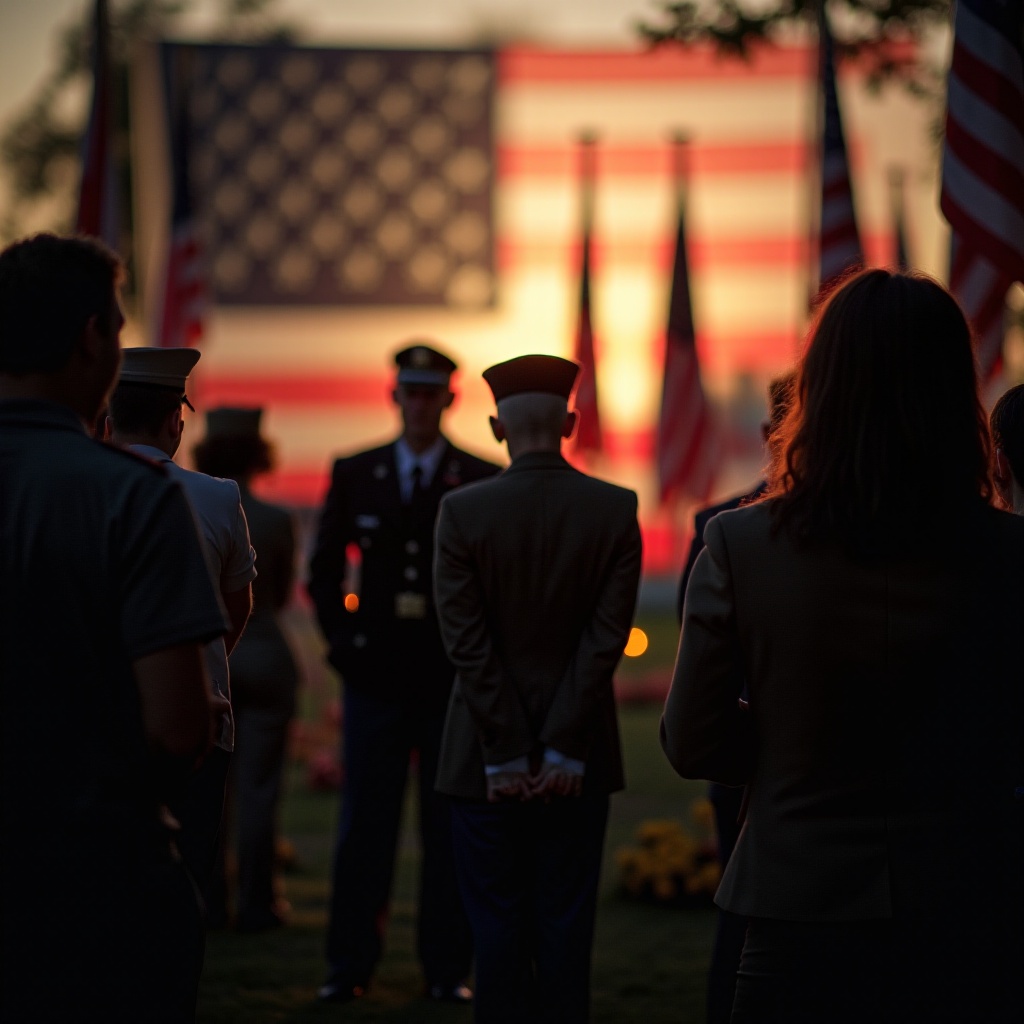
Since becoming a federal holiday, Martin Luther King Jr. Day has been celebrated with various events across the U.S., including parades, community services, and remembrance ceremonies. For many, the day serves not just as a day off work, but as a day of reflection and community action.
Why Is Martin Luther King Jr. Day Celebrated?
Martin Luther King Jr. Day is celebrated to honor Dr. King's role in fighting for racial equality and justice. King’s commitment to nonviolent protest and his advocacy for civil rights led to monumental changes in the U.S., particularly in terms of desegregation and voting rights.
King’s Influence on Civil Rights
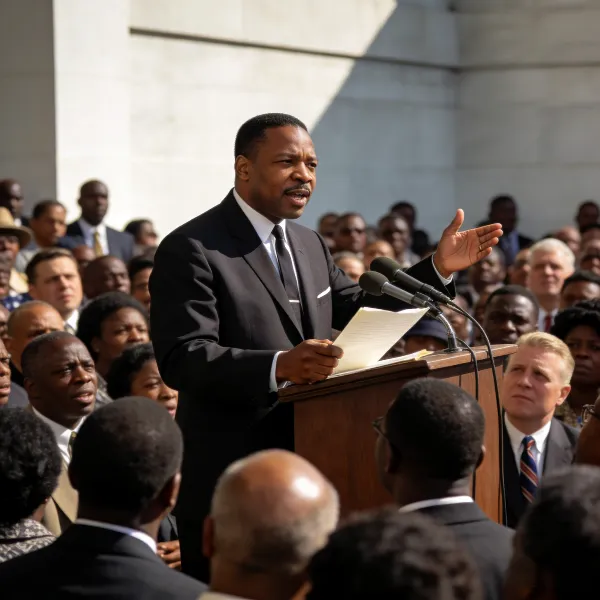
Dr. King’s leadership was crucial in the civil rights movement. Through peaceful protests, such as the famous March on Washington in 1963, King brought national attention to the injustices faced by African Americans. His "I Have a Dream" speech continues to inspire millions around the world.
A Day of Reflection and Progress
The holiday serves not only as a day to reflect on King’s legacy but also as a reminder of the work still needed to achieve full racial equality. Celebrating Martin Luther King Jr. Day encourages individuals to actively participate in civil rights efforts in their communities and work toward the vision of a more just and equal society that King championed.
What Are the Key Events of Martin Luther King Jr. Day?
Across the United States, Martin Luther King Jr. Day is marked by a range of events designed to celebrate King’s life and continue his fight for justice. These events include parades, speeches, and community service projects, all serving as tributes to King’s enduring impact on society.
Annual Parades and Marches
One of the most common ways the public honors Dr. King is through marches and parades. Many cities across the country host marches that mirror the historic events King led, such as the Selma to Montgomery march. These events are a way for communities to come together and reflect on the progress made in civil rights, as well as the work that still remains.
Community Service and Volunteering
In the spirit of Dr. King’s commitment to serving others, many people participate in volunteer work on this day. President Obama declared Martin Luther King Jr. Day a national day of service, encouraging Americans to engage in activities such as helping out in local shelters, cleaning up neighborhoods, or mentoring youth. These activities not only honor King’s memory but also foster a sense of unity and social responsibility.
Public Speeches and Educational Programs
Educational programs, public lectures, and speeches take place throughout the nation, featuring scholars, activists, and public figures who discuss King’s impact and the continuing struggle for racial equality. These events serve as a reminder that King’s vision is not yet fully realized, and they call on people to take action toward achieving racial justice.
How Is Martin Luther King Jr. Day Observed Across the United States?
The observance of Martin Luther King Jr. Day varies widely across the United States, with different cities and regions hosting unique events. In general, it is a day of reflection, action, and education, but there are some specific traditions and ceremonies that help make the day more meaningful.
Local Government and City Celebrations
Many cities hold public ceremonies that include the reading of King’s most famous speeches, such as the “I Have a Dream” speech, along with performances of gospel music, which King was known to appreciate. Local governments may also organize volunteer projects, encourage donations to local charities, or host educational forums.
Schools and Universities
Many schools take the opportunity to teach students about Dr. King’s life and legacy. Special programs, lessons, and presentations are often held, helping to instill the values King fought for in younger generations. Universities may hold conferences and symposia that focus on racial equality, civil rights, and social justice.
What Are the Popular Martin Luther King Jr. Day Traditions?
The most popular Martin Luther King Jr. Day traditions revolve around community involvement, reflection, and celebrating diversity. These activities help promote the values King espoused throughout his life.
- Volunteerism: Engaging in community service to help those in need.
- Cultural Events: Attending concerts, performances, and other events that reflect African American culture.
- Educational Programs: Participating in discussions and learning sessions focused on Dr. King’s legacy.
- Parades: Watching or joining local parades, especially in cities like Atlanta, Georgia, where King’s birthplace is located.
- Public Speeches: Listening to speakers who emphasize King’s ideals and discuss modern-day civil rights issues.
Community Engagement and Dialogue
Many communities encourage open dialogue and conversations on race, equality, and justice during Martin Luther King Jr. Day. These conversations help keep King’s vision alive by fostering an ongoing commitment to addressing social inequalities.
What Is the Significance of Martin Luther King Jr.'s Legacy on This Day?
Dr. King’s legacy is the foundation of Martin Luther King Jr. Day, reminding Americans to continue the fight for racial equality. While progress has been made, Dr. King’s dream of a fully integrated, fair, and equal society is still a work in progress.
The Enduring Influence of King’s Work
King’s teachings continue to guide movements for racial justice worldwide. His emphasis on nonviolent resistance inspired other global leaders such as Nelson Mandela. Even today, his words resonate with those fighting for civil rights and social change, motivating individuals to push for an inclusive society.
A Day of Action and Reflection
The legacy of Martin Luther King Jr. Day isn’t just about reflection; it’s also about taking action. On this day, millions of people around the nation engage in activities that promote peace, equality, and justice, continuing Dr. King’s work in their own communities.
Conclusion
Martin Luther King Jr. Day is much more than a holiday—it’s a call to action. Celebrating King’s life and legacy reminds us of the progress made in the fight for racial equality and the work that still lies ahead. Whether it’s through volunteering, attending a parade, or reflecting on the values King stood for, this day serves as a vital opportunity to continue the pursuit of justice and equality in the United States.