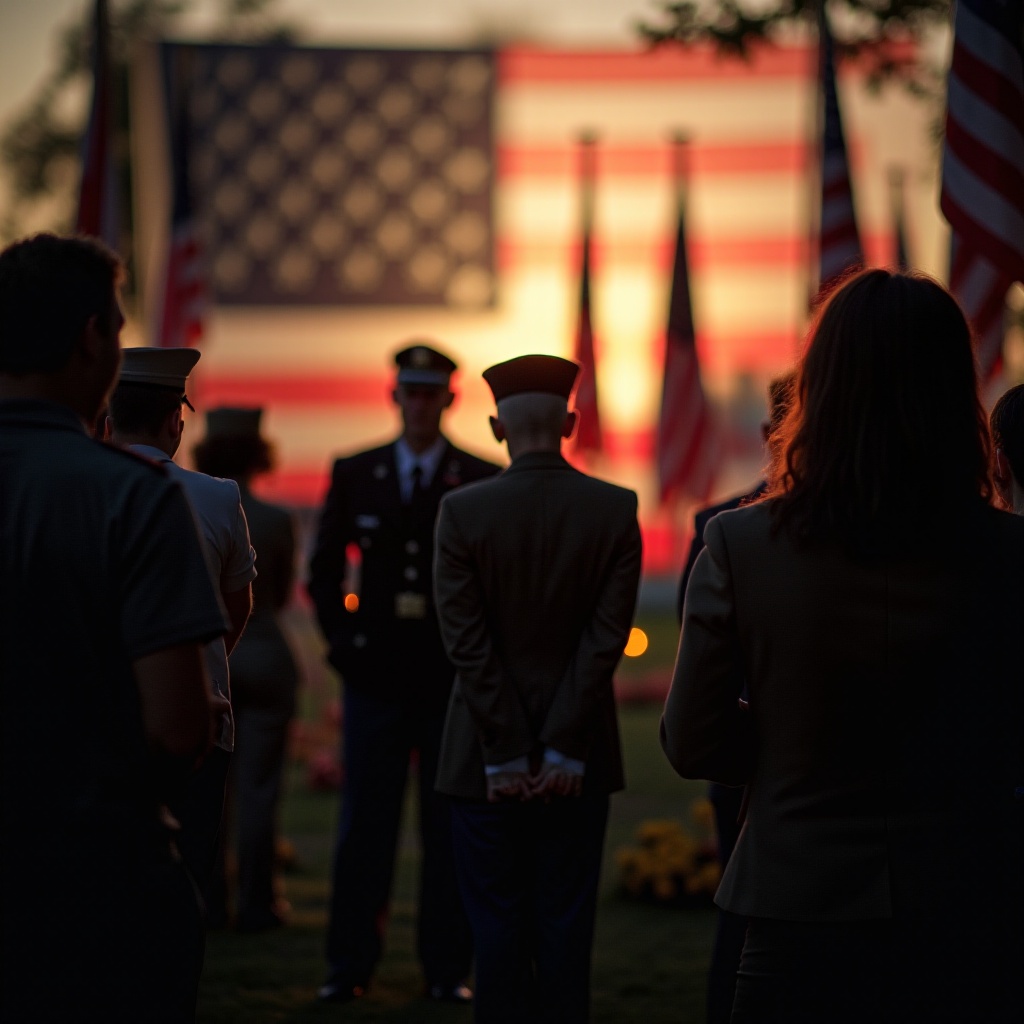
Memorial Day is a federal holiday observed annually in the United States to honor and remember the men and women who died while serving in the U.S. military. It is a day for reflection, remembrance, and respect, marked by ceremonies, parades, and various acts of patriotism. This day is not just a time for barbecues and shopping sales; it is a solemn occasion to acknowledge the sacrifices made by those who served in the armed forces. Memorial Day is observed on the last Monday of May each year, and it signifies more than just the unofficial start of summer—it’s a day to honor the heroes who gave their lives in service to the nation.
When Is Memorial Day Observed?
Memorial Day is observed on the last Monday of May each year, providing a long weekend for many Americans. The holiday’s date changes each year, but it is always set to fall on the last Monday, ensuring a three-day weekend. In 2026, Memorial Day will be observed on May 25. This flexible date allows families to plan activities, and businesses can offer sales or promotions that align with the holiday.
While Memorial Day was initially celebrated on May 30 for several decades after its establishment, it was moved to the last Monday of May in 1971 due to the Uniform Monday Holiday Act. This move aimed to provide workers with more long weekends and promote tourism, making it easier for people to enjoy the holiday.
Why Is Memorial Day Important?
Memorial Day is important because it serves as a reminder of the sacrifices made by U.S. service members who have died in military service. It is a solemn occasion where the nation pauses to reflect on the cost of freedom and the bravery of those who fought to protect it. The holiday gives families and communities an opportunity to honor their loved ones and express gratitude for the freedoms enjoyed today.
The significance of Memorial Day lies in the emotional connection it fosters between Americans and the history of their country. It reminds citizens of the struggles and triumphs of past generations, creating a deeper appreciation for the military personnel who have served in times of war and peace.
What Are the Traditions and Symbols of Memorial Day?
Memorial Day is filled with meaningful traditions and symbols that help commemorate those who made the ultimate sacrifice. Some of the most recognized traditions and symbols include:
- Moment of Silence: At 3:00 p.m. local time, Americans are encouraged to observe a moment of silence to honor fallen soldiers.
- Flags at Half-Staff: The U.S. flag is flown at half-staff until noon to symbolize the mourning of the fallen.
- Memorial Day Parades: Across the U.S., cities and towns hold parades featuring veterans, military personnel, and marching bands.
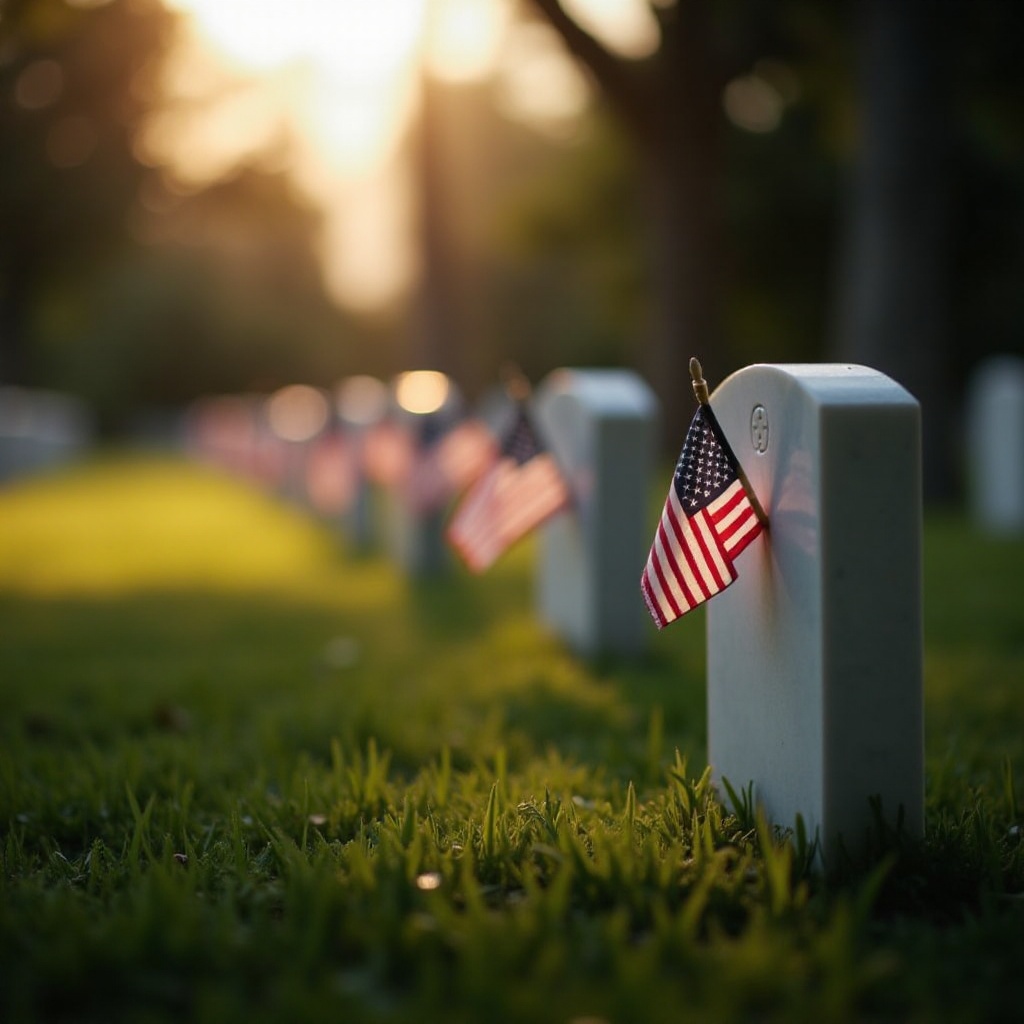
- Visiting Cemeteries: Many Americans visit military cemeteries or family gravesites to pay respects, placing flags or flowers on the graves of fallen soldiers.
- The National Moment of Remembrance: This is a nationwide observance where Americans participate in a moment of silence, promoting unity and remembrance across the country.
These traditions serve to remind citizens of the sacrifices made by soldiers, ensuring their legacy is never forgotten.
How Do Americans Typically Celebrate Memorial Day?
While Memorial Day is primarily a solemn occasion, it is also widely celebrated with various traditions that range from reflective to festive. The day often marks the unofficial start of summer in the U.S., with families and friends coming together for outdoor activities and barbecues. Here’s how many Americans typically celebrate Memorial Day:
- Barbecues and Picnics: Many families celebrate Memorial Day by hosting cookouts or picnics in their backyards, enjoying burgers, hot dogs, and other traditional foods.
- Beach Trips: Memorial Day weekend is a popular time for beachgoers to head out to the coast and soak up the sun.
- Memorial Day Sales: Retailers offer significant discounts and special promotions during Memorial Day weekend, making it an attractive time for shopping.
- Outdoor Activities: From hiking to picnicking in local parks, Memorial Day weekend often involves outdoor recreation, providing opportunities for relaxation.
- Fireworks: In some parts of the country, fireworks displays are held at night to conclude the Memorial Day festivities.
Despite these more celebratory activities, many families take time to observe the holiday’s true meaning by attending memorial services or participating in moments of silence.
What Are the Historical Origins of Memorial Day?
Memorial Day’s origins trace back to the aftermath of the Civil War, when citizens began honoring fallen soldiers. Initially known as Decoration Day, the holiday was first observed in 1868 when General John A. Logan, leader of the Union veterans' group, called for a national day of remembrance. The day was meant to honor those who had died in the Civil War by decorating their graves with flowers.
The observance of Decoration Day gradually expanded to honor fallen soldiers from other wars, including World War I and World War II. In 1967, the holiday officially adopted the name Memorial Day, and in 1971, it became a federal holiday, observed across the entire nation.
Are There Any Lesser-Known Memorial Day Facts?
While Memorial Day is widely recognized, there are several lesser-known facts that add depth to the holiday’s history and traditions. Here are a few that may surprise you:
- Memorial Day Wasn’t Always a National Holiday: It took more than 100 years from the first observance for Memorial Day to become a federal holiday.
- The First National Decoration Day Ceremony Was Held at Arlington Cemetery: Arlington National Cemetery hosted the first formal Decoration Day ceremony in 1868.
- It Was Originally Called Decoration Day: The name "Memorial Day" wasn’t used until the 20th century, and it wasn’t universally recognized until the 1970s.
- Over 1,200 Locations Claim to Be the "Birthplace" of Memorial Day: Various towns and cities across the U.S. claim to be the birthplace of the holiday, adding to its rich, diverse history.
- The "National Moment of Remembrance" Was Established in 2000: In an effort to ensure Memorial Day’s meaning remained at the forefront, the U.S. Congress passed a law encouraging Americans to observe a moment of silence at 3:00 p.m.
Conclusion
Memorial Day is much more than a long weekend or the start of summer—it is a time to honor and reflect on the sacrifices made by military personnel who have died while serving the United States. Through its history, traditions, and symbols, Memorial Day serves as an important reminder of the costs of freedom. Whether attending a memorial service, participating in a moment of silence, or simply spending time with loved ones, this day holds deep meaning for Americans and serves as a collective opportunity to express gratitude for the nation's fallen heroes.