Passover is one of the most significant Jewish holidays, celebrated to commemorate the Israelites' exodus from slavery in ancient Egypt. It is marked by various traditions, including the famous Seder meal, and is a time of reflection and remembrance. This holiday is also a reminder of the importance of freedom and faith.
When Is Passover Celebrated in the United States?
Passover typically falls in March or April each year, according to the Jewish lunar calendar. The holiday lasts for eight days, with the first and last days considered the most sacred. It begins on the 15th day of the Hebrew month of Nissan, marking the date when the Israelites left Egypt.
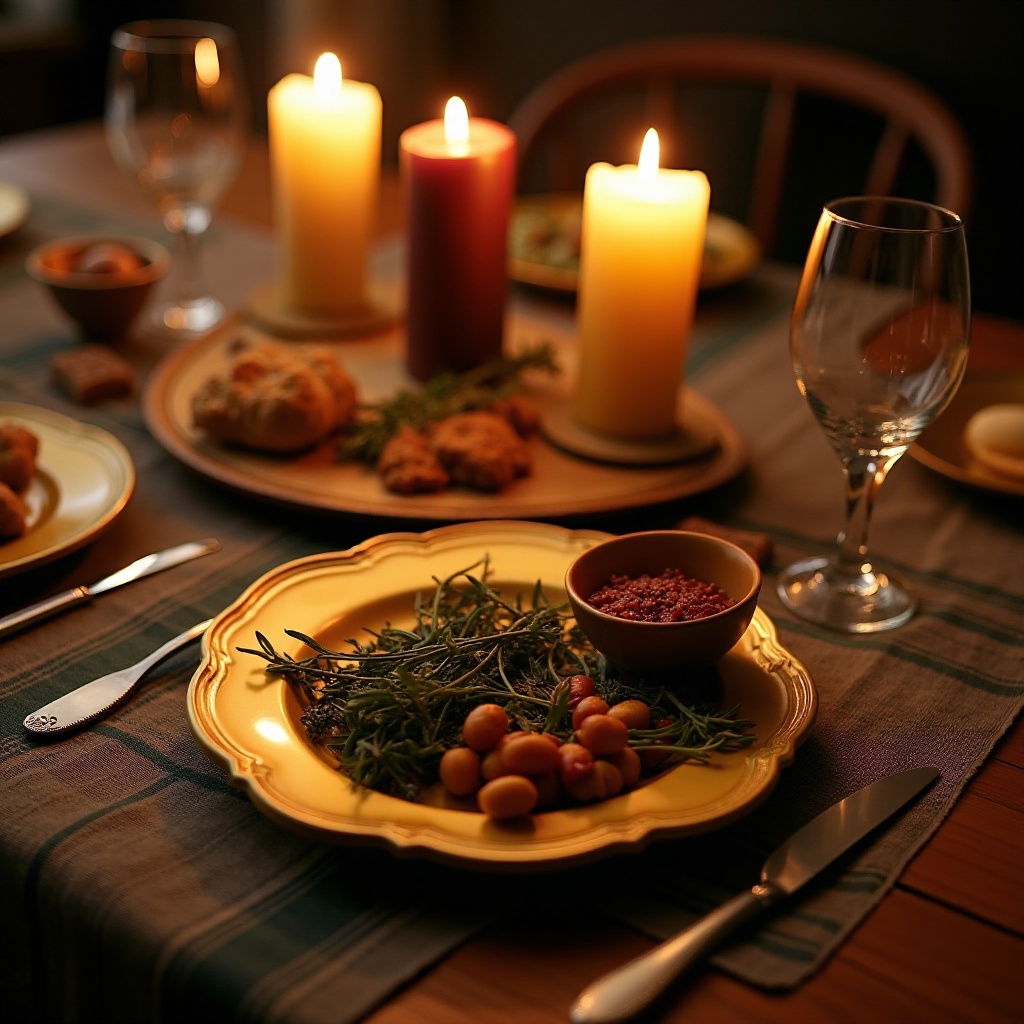
The observance starts with a special dinner called the Seder, during which the story of Passover is retold through prayers, songs, and the symbolic foods placed on the table. In the United States, many Jewish families begin the celebration on the evening of the first night of Passover, gathering together for this meaningful meal.
Why Do We Celebrate Passover?
Passover is celebrated to remember the liberation of the Israelites from slavery in Egypt, an event described in the Book of Exodus. According to the Bible, God instructed Moses to lead the Israelites out of Egypt, where they had been enslaved for hundreds of years. The final plague on Egypt, which caused the death of the firstborn sons, was the catalyst for their release.
The holiday serves as a reminder of God's protection and the resilience of the Jewish people. It also emphasizes themes of freedom, redemption, and the importance of standing up against oppression.
What Are the Key Traditions and Symbols of Passover?
Passover is rich in symbolism and traditions, many of which are rooted in the story of the Exodus. Some key traditions include:
- The Seder Meal: A ceremonial dinner held on the first two nights, where the story of the Exodus is retold.
- Unleavened Bread (Matzah): Matzah is eaten during Passover to symbolize the bread the Israelites ate when they fled Egypt and did not have time to let their dough rise.
- The Four Questions: A traditional part of the Seder, where the youngest child asks four questions about why this night is different from all others.
- The Cup of Elijah: A cup of wine is left for the prophet Elijah, symbolizing hope for the coming of the Messiah.
- Bitter Herbs (Maror): These represent the bitterness of slavery that the Israelites endured in Egypt.
- Charoset: A sweet mixture of apples, nuts, wine, and cinnamon, symbolizing the mortar used by the Israelites in their forced labor.
- The Passover Lamb: While not commonly observed today, the lamb's blood was once used to mark the homes of the Israelites to protect them during the tenth plague.
How Is Passover Celebrated in the United States?
In the United States, Passover is celebrated with both religious and secular traditions. Jewish families often gather for the Seder meal, which is filled with symbolic foods and prayers. The meal typically includes:
- Matzah: Unleavened bread is served throughout the holiday.
- Charoset: A sweet mixture made from fruits, nuts, and wine.
- Maror: Bitter herbs, often horseradish, are consumed to represent the bitterness of slavery.
- Wine: Four cups of wine are consumed during the Seder, each representing a stage of the Israelites' redemption.
In addition to the Seder, families often participate in other observances, such as cleaning the house of chametz (leavened bread) before the holiday begins, reading the Haggadah, and attending synagogue services.
What Foods Are Traditionally Eaten During Passover?
Food plays a central role in the Passover celebration, with each dish holding symbolic meaning. Some traditional foods include:
- Matzah: Unleavened bread eaten throughout Passover.
- Charoset: A sweet paste made from fruits, nuts, and wine.
- Maror: Bitter herbs, often horseradish, representing the bitterness of slavery.
- Karpas: Fresh vegetables, typically parsley, dipped in salt water to symbolize tears.
- Z'roa: A roasted shank bone, symbolizing the Passover sacrifice.
- Chazeret: A second bitter herb, often romaine lettuce, used in the Seder meal.
- Egg: A roasted egg on the Seder plate, symbolizing the festival sacrifice.
These foods are typically served at the Seder meal and each serves to remind participants of a different aspect of the Exodus story.
How Is the Story of Passover Retold During the Seder?
The Seder is the focal point of the Passover celebration, where Jewish families gather to retell the story of the Exodus. The Haggadah, a special text, is read aloud during the meal and guides participants through the rituals and prayers.
The story is retold through symbolic foods, songs, and prayers. The four questions asked by the youngest child are central to the retelling. These questions focus on the differences between this night and all other nights, such as why only unleavened bread is eaten and why bitter herbs are consumed.
Throughout the meal, participants sing traditional songs, recite blessings, and engage in a lively discussion about the themes of freedom and redemption.
Are There Any Fun Facts About Passover?
Here are some fun facts about Passover that you might not know:
- Longest Jewish Holiday: Passover lasts for eight days, making it one of the longest Jewish holidays.
- Passover and Easter: Passover often coincides with Easter, as both holidays are based on lunar calendars.
- Elijah's Cup: The tradition of leaving a cup for Elijah comes from the belief that the prophet will return to announce the coming of the Messiah.
- No Chametz: Many Jewish families spend time cleaning their homes to remove any chametz (leavened bread) before Passover begins.
- Passover in Israel: In Israel, Passover is celebrated for seven days, compared to the eight days observed in the Diaspora.
- Passover Music: The song "Dayenu," meaning "It would have been enough," is sung during the Seder to express gratitude for the many blessings during the Exodus.
- The Haggadah: The Haggadah is not only a religious text but also a family heirloom for many Jewish families, with some versions being passed down through generations.
Conclusion
Passover is a holiday rich in tradition and meaning, focusing on freedom, redemption, and the resilience of the Jewish people. The celebration of Passover in the United States involves a variety of customs, foods, and rituals that help bring the story of the Exodus to life. Whether through the Seder meal, symbolic foods, or family gatherings, Passover remains an important occasion for reflection and remembrance.