Presidents' Day is a U.S. federal holiday that celebrates the birthdays and legacies of U.S. presidents. Initially, it was established to honor George Washington's birthday, but it has evolved over time to recognize all U.S. presidents. This day is often seen as a time to reflect on the history of the U.S. and the leaders who have shaped its path.
While Presidents' Day is a federal holiday, it is celebrated on the third Monday of February each year, thanks to the Uniform Monday Holiday Act. It’s a day when many businesses close, schools are off, and various festivities are held to honor past presidents, particularly George Washington and Abraham Lincoln.
When Is Presidents' Day Celebrated?
Presidents' Day is observed every year on the third Monday in February. The date changes each year, but it always falls between February 15 and February 21. For example, in 2026, Presidents' Day will be celebrated on February 16. This timing is part of the effort to provide a long weekend for workers, aligning with the Uniform Monday Holiday Act passed in 1968.
The shift to the third Monday in February was made to help businesses and workers enjoy a long weekend without the disruptions of mid-week holidays. In recent years, the holiday has become a time for various public celebrations, retail sales, and educational activities related to the presidents' history.
Why Is Presidents' Day Celebrated?
Presidents' Day is celebrated primarily to honor the birthdays and contributions of U.S. presidents, with a special emphasis on George Washington, the nation’s first president. Washington’s Birthday, which originally fell on February 22, became a national holiday in 1885, and it later evolved into Presidents' Day after the Uniform Monday Holiday Act.
The holiday is also a celebration of the democratic ideals that the presidents embodied throughout U.S. history. It offers a chance to reflect on how the country has been shaped by its leaders and the historical events that occurred under their guidance.
Additionally, Presidents' Day has become a time for families to engage in various activities and retail promotions, making it a day for both remembrance and recreation.
What Are the Historical Origins of Presidents' Day?
The origins of Presidents' Day can be traced back to George Washington’s Birthday, February 22, 1732. Washington, the first president of the United States, played a significant role in the American Revolution and in the creation of the U.S. Constitution. His birthday became a national holiday in 1885, though it was only recognized as a federal holiday by some states.
The shift to Presidents' Day, a holiday that honors all U.S. presidents, began in the 1960s with the Uniform Monday Holiday Act. This legislation was passed to ensure more holidays fell on Mondays, thus providing a three-day weekend for American workers. The holiday is now celebrated as Presidents' Day, though it is still formally called Washington’s Birthday by the federal government.
Key Historical Points:
- Washington’s Birthday was established as a national holiday in 1885.
- The Uniform Monday Holiday Act moved the holiday to the third Monday in February.
- Presidents' Day honors all U.S. presidents, not just George Washington.
How Do Americans Celebrate Presidents' Day?
Americans celebrate Presidents' Day in various ways, and it often includes sales, educational activities, and community events. Some of the most common ways people celebrate include:
- Sales and Discounts: Retailers, particularly in the U.S., offer significant discounts on many products, especially electronics, appliances, and furniture. It’s become one of the largest shopping holidays of the year, similar to Black Friday.
- Family Time: Many families use Presidents' Day as a chance to spend time together, whether that means visiting historical landmarks, museums, or simply enjoying a day off at home.
- Educational Activities: Schools often teach students about the presidents, focusing on their roles in history, their accomplishments, and the values they embodied.
- Parades and Events: Some cities host parades to honor Presidents’ Day, particularly those with historical connections to U.S. presidents.
- Honoring Local Heroes: In some areas, Presidents' Day celebrations also include honoring local or lesser-known political figures who played important roles in U.S. history.
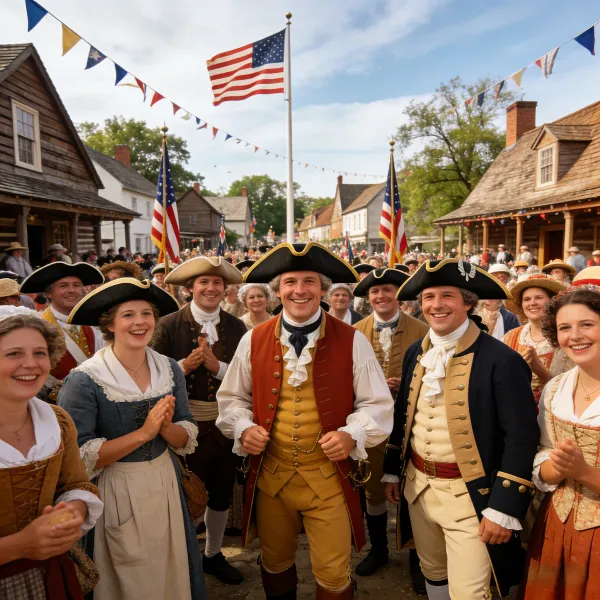
- Historical Reenactments: Some communities organize reenactments of historical events, such as George Washington’s crossing of the Delaware River.
What Are the Key Symbols of Presidents' Day?
There are several key symbols associated with Presidents' Day that evoke patriotism and U.S. history. These symbols include:
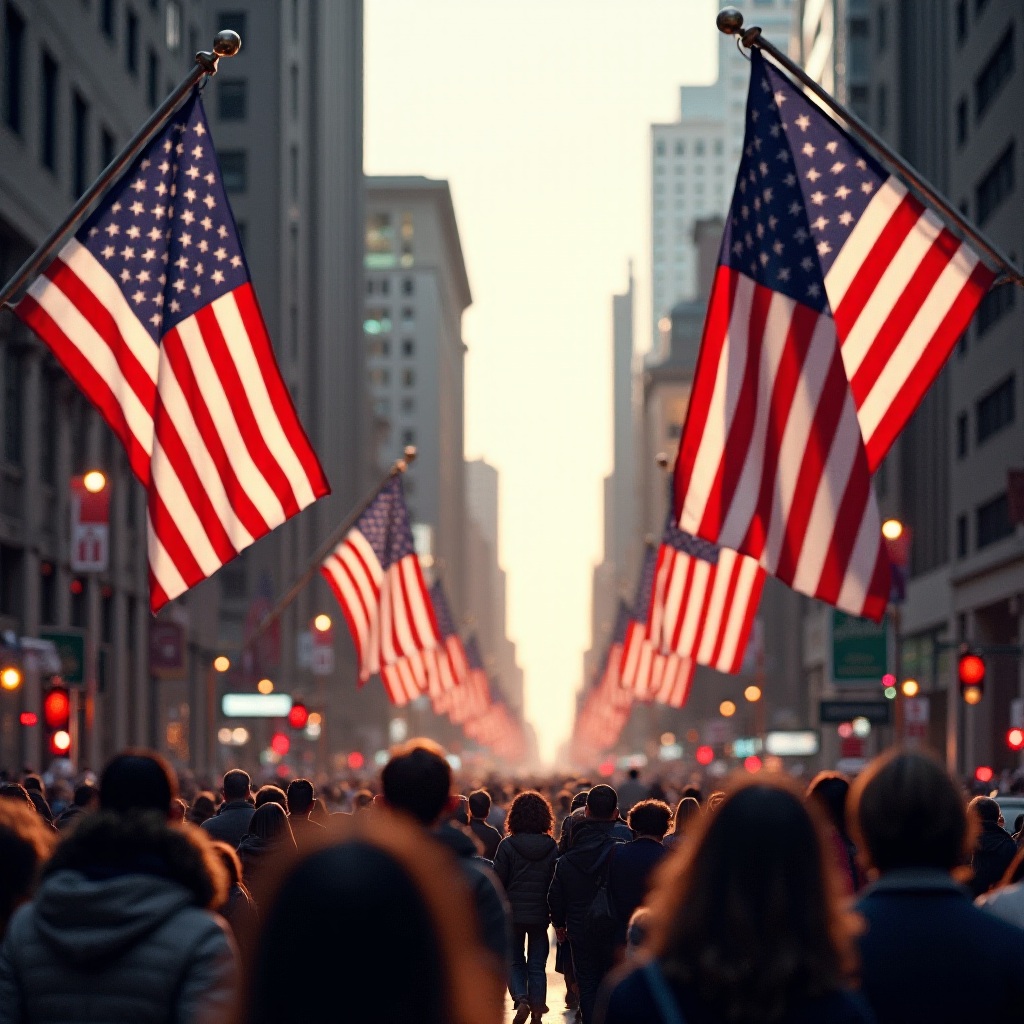
- The American Flag: The flag is perhaps the most prominent symbol of Presidents' Day, representing the unity and strength of the United States.
- Portraits of Presidents: Images of George Washington and Abraham Lincoln are often featured in Presidents’ Day celebrations, highlighting their pivotal roles in U.S. history.
- Eagle: The bald eagle, the national bird of the United States, is often used in decorations and imagery for Presidents’ Day.
- Presidential Seals: The Great Seal of the United States and the presidential seal are also associated with the holiday.
- Historical Landmarks: Visiting or showcasing iconic landmarks like Mount Vernon, the Lincoln Memorial, or presidential libraries is common.
- U.S. Currency: Presidential figures like Washington, Lincoln, and others appear on U.S. currency, reminding Americans of their lasting legacies.
- The Constitution: This document symbolizes the foundation of U.S. democracy, which the presidents swore to uphold.
Are There Any Fun Facts About Presidents' Day?
While Presidents' Day is a serious observance of history, there are some fun facts that add an interesting layer to the holiday:
- Washington’s Birthday Was Once Celebrated in February: Washington’s Birthday was initially celebrated on February 22, but with the holiday shift, Presidents' Day can now fall between February 15 and 21.
- Sales Growth: Presidents’ Day sales have turned into a retail event, rivaling holidays like Black Friday, with many stores offering deep discounts.
- Multiple Presidents Share the Day: Presidents' Day was originally meant to honor George Washington, but over time, it has become a day for all presidents to be celebrated, including Abraham Lincoln, whose birthday is also in February.
- A Day for History Lovers: Many Americans use the holiday to learn more about U.S. history, visiting museums or watching historical documentaries.
- No Universal Name: While the holiday is often called Presidents’ Day, it is still legally known as Washington’s Birthday in many areas.
- State Variations: Some states have their own versions of Presidents' Day, including special observances or holidays to honor state leaders.
Conclusion
Presidents' Day is much more than just a day off from work or a chance to shop. It is a day to reflect on the importance of U.S. presidents, their roles in shaping the nation, and the values that the United States holds dear. Whether through sales, educational activities, or visits to historical landmarks, Presidents' Day remains a unique opportunity for Americans to honor their nation's past and celebrate the contributions of its leaders.