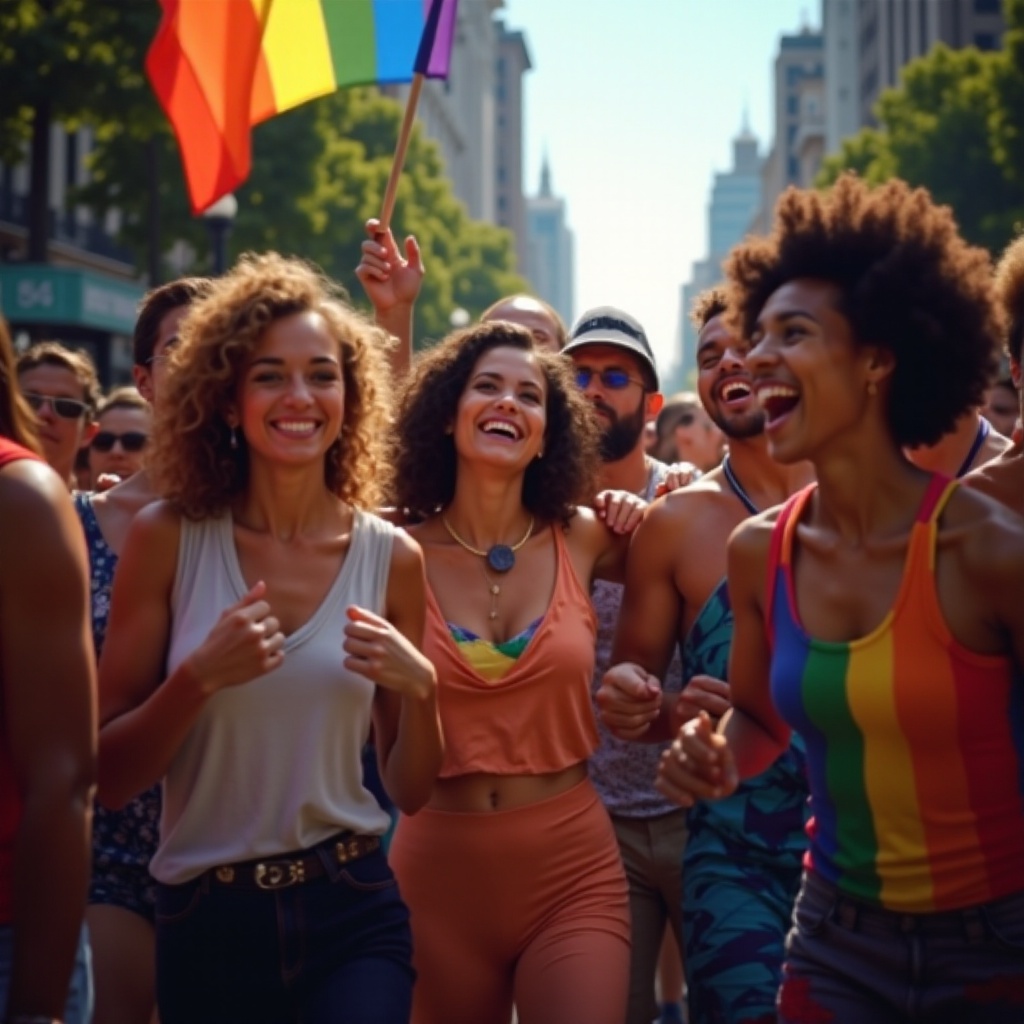
Pride Month is an annual celebration that honors the LGBTQ+ community and their ongoing fight for equality and acceptance. Observed every June, it commemorates the Stonewall Riots of 1969, which marked a turning point in the struggle for LGBTQ+ rights. During this month, people around the world participate in parades, festivals, and events to raise awareness, celebrate LGBTQ+ culture, and advocate for continued progress in civil rights. Pride Month is not just a time for celebration, but also a reminder of the work that still needs to be done.
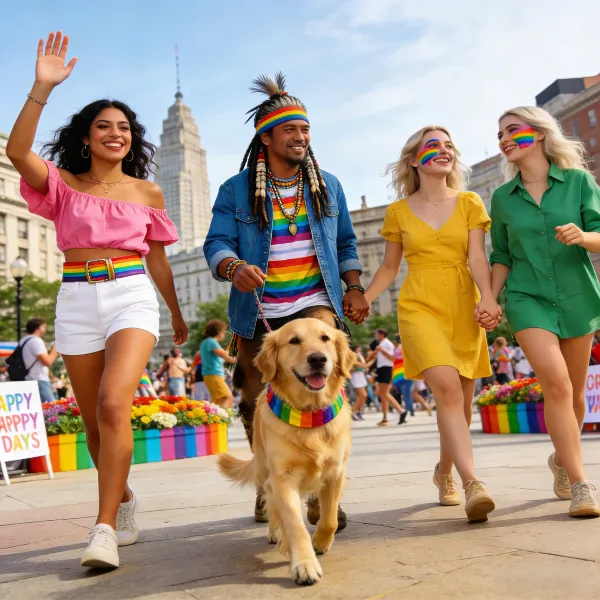
When Does Pride Month Take Place?
Pride Month is celebrated every year in June to honor the Stonewall Riots, which took place in June 1969 in New York City. This month-long celebration is marked by a series of events that advocate for LGBTQ+ rights and recognition. Pride Month is globally recognized, but in the United States, it has particular significance due to the historical events of the Stonewall Riots.
- Stonewall Riots: The turning point that inspired the annual celebration.
- The month of June: Chosen due to the timing of the Stonewall Riots.
- Annual celebrations: Events held across the nation throughout June.
- Global observance: While focused on the U.S., Pride Month is recognized worldwide.
- Time for reflection: Celebrating the progress made and the challenges that remain.
- June 28th: The date of the Stonewall Uprising that led to the movement.
- Advocacy for change: A month to amplify the voices of LGBTQ+ activists.
Why Is Pride Month Important for the LGBTQ+ Community?
Pride Month serves as an important reminder of the struggles that the LGBTQ+ community has faced, as well as the achievements made in the fight for equality. It is a time to celebrate the resilience and diversity of the LGBTQ+ community, while also reflecting on the ongoing battles for full acceptance and equal rights.
- Celebrating victories: Pride Month highlights legal and social victories for LGBTQ+ rights.
- Visibility and representation: It’s a time for LGBTQ+ individuals to be seen and heard.
- A call for equality: Pride Month serves as a reminder that there is still work to be done.
- Unity and solidarity: It brings together people from all backgrounds to support LGBTQ+ rights.
- Fighting discrimination: Pride Month is a platform for raising awareness about homophobia, transphobia, and other forms of discrimination.
- Education and awareness: Provides opportunities for education about LGBTQ+ issues, history, and culture.
- Celebrating diversity: It recognizes the diverse identities and expressions within the LGBTQ+ community.
What Are the Key Events of Pride Month?
Throughout Pride Month, various events are held to celebrate and raise awareness for the LGBTQ+ community. These events range from parades and rallies to educational panels and social gatherings. Each event is a chance for people to show their support for LGBTQ+ rights and participate in the celebration of LGBTQ+ culture.
- Pride Parades: The most iconic event of Pride Month, parades take place in cities across the U.S. and the world.
- Pride Festivals: These are cultural and musical events where people gather to celebrate LGBTQ+ culture.
- Educational panels and discussions: Many organizations host events to educate the public about LGBTQ+ issues.
- Fundraising events: Nonprofits often host fundraising activities to support LGBTQ+ initiatives and charities.
- Drag Shows: A popular form of entertainment during Pride Month, showcasing drag culture.
- LGBTQ+ art exhibitions: Highlighting LGBTQ+ artists and performers.
- Community gatherings: Events where people can meet, connect, and show solidarity.
How Did Pride Month Begin?
Pride Month traces its origins back to the Stonewall Riots in 1969, when patrons of the Stonewall Inn in New York City fought back against a police raid, marking a pivotal moment in the LGBTQ+ rights movement. The first Pride March was held in 1970 to commemorate the anniversary of the Stonewall Riots. Since then, Pride Month has evolved into an annual celebration of LGBTQ+ history, culture, and rights.
- Stonewall Riots: The catalyst for Pride Month, representing a shift in LGBTQ+ activism.
- The first Pride march: Held on the first anniversary of the Stonewall Riots in 1970.
- Expansion of celebrations: What started as a single march in New York City has now grown into a global movement.
- Early activists: Figures like Marsha P. Johnson and Sylvia Rivera were at the forefront of the early LGBTQ+ rights movements.
- Grassroots beginnings: Pride celebrations began as grassroots efforts to gain visibility and fight discrimination.
- Legal milestones: From the legalization of same-sex marriage to non-discrimination laws, Pride Month highlights key legal victories.
- The evolution of Pride: What began as a protest has become a celebration of LGBTQ+ culture and achievements.
What Are Some Common Pride Month Symbols and Colors?
Symbols and colors play a significant role in Pride Month, helping to visually communicate the values of equality, love, and diversity within the LGBTQ+ community. Each symbol and color has its own history and meaning, contributing to the celebration's vibrant and inclusive spirit.
- Rainbow Flag: The most recognized symbol of LGBTQ+ pride, representing diversity in sexual and gender identities.
- Pink Triangle: A symbol with roots in the Nazi era, later reclaimed by the LGBTQ+ community as a symbol of resilience.
- Transgender Pride Flag: A flag that represents the transgender community, featuring blue, pink, and white stripes.
- Black and Brown Stripes: Added to the rainbow flag to represent LGBTQ+ people of color.
- Genderqueer Pride Flag: Represents genderqueer and non-binary individuals with a purple, white, green, and black design.
- Intersex Flag: A symbol of intersex pride, using a yellow background and purple circle.
- Progress Pride Flag: A variation of the rainbow flag that incorporates additional colors to represent marginalized LGBTQ+ communities.
How Is Pride Month Celebrated Across the United States?
Across the United States, Pride Month is celebrated in a variety of ways, with major cities hosting parades, festivals, and rallies. In addition to these public events, many smaller communities host local celebrations to show their support for the LGBTQ+ community. Here are some of the most prominent celebrations:
- New York City Pride: One of the largest and most famous Pride celebrations in the world.
- San Francisco Pride: Known for its inclusive atmosphere and diverse events.
- Los Angeles Pride: A significant event in one of the largest LGBTQ+ hubs in the U.S.
- Chicago Pride: A major celebration in the Midwest with parades, concerts, and events.
- Washington D.C. Pride: A political and celebratory event that focuses on advocacy for LGBTQ+ rights.
- Pride in smaller cities: Many smaller cities host parades and festivals to bring together local LGBTQ+ communities.
- Virtual Pride: Due to the COVID-19 pandemic, many events were held online, and virtual Pride celebrations have continued in some areas.
Are There Any Notable Pride Month Milestones or Achievements?
Pride Month is not only a celebration but also an opportunity to recognize the milestones and achievements made by the LGBTQ+ community. These milestones mark significant moments in the ongoing struggle for equality and recognition.
- The legalization of same-sex marriage: A key achievement in the fight for LGBTQ+ rights, recognized nationwide in 2015.
- The repeal of "Don't Ask, Don't Tell": A significant victory for LGBTQ+ service members in 2011.
- The passing of non-discrimination laws: Legal victories protecting LGBTQ+ individuals from discrimination in employment, housing, and public accommodations.
- Increased LGBTQ+ representation in media: From TV shows to movies, LGBTQ+ characters and stories are becoming more mainstream.
- Health care equality: Greater access to health care for LGBTQ+ individuals, particularly for transgender people.
- Corporate support: More companies are publicly supporting LGBTQ+ rights and offering inclusive benefits.
- Youth support networks: Organizations and programs supporting LGBTQ+ youth have seen increased funding and visibility.
Conclusion
Pride Month is an important time to celebrate the LGBTQ+ community’s resilience, achievements, and continued fight for equality. From the origins of the Stonewall Riots to the vibrant celebrations held each year, Pride Month offers an opportunity to reflect on the progress made and the work still to be done. It is a time for visibility, education, and solidarity, where people of all backgrounds come together to support LGBTQ+ rights and recognize the importance of equality for all.