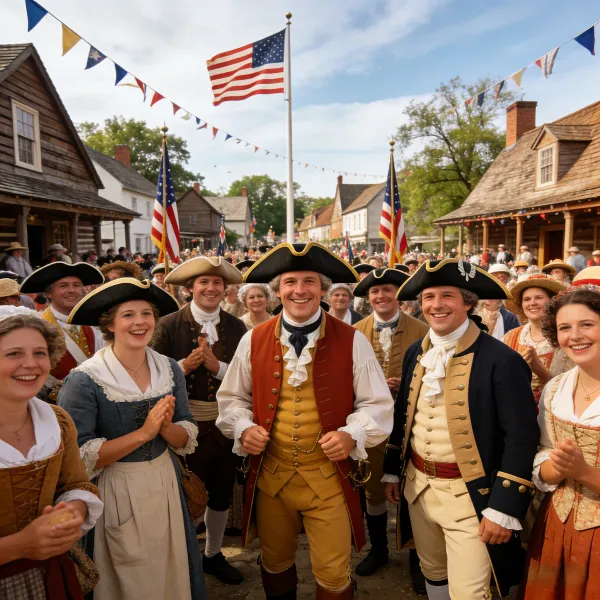
Thanksgiving Day is a time-honored holiday celebrated across the United States, observed on the fourth Thursday of November each year. It is a day to give thanks for the harvest and blessings of the past year. While the modern-day celebrations often center around large family gatherings and a hearty meal, the origins of Thanksgiving trace back to the early settlers in America. The first Thanksgiving in 1621 was a three-day feast shared between the Pilgrims and the Wampanoag Native Americans to celebrate the success of the Pilgrims’ first harvest.
Thanksgiving has evolved over the centuries, but its central theme has remained the same: gratitude for the bounties of life. The holiday is often marked by family reunions, delicious food, and time spent reflecting on the past year's blessings.
When Is Thanksgiving Day Celebrated in the United States?
Thanksgiving Day in the United States is celebrated on the fourth Thursday of November each year. The date shifts each year, ranging from November 23 to November 29, ensuring that families can come together for a long weekend of festivities. In 2026, Thanksgiving Day will fall on November 26.
The timing of Thanksgiving is strategically placed at the end of the harvest season, making it the perfect occasion to give thanks for the abundance of the year. The holiday also kicks off the beginning of the holiday season, leading into Christmas and New Year’s celebrations.
Why Do Americans Celebrate Thanksgiving Day?
The reason for celebrating Thanksgiving Day is rooted in history, particularly the Pilgrims’ 1621 feast with the Wampanoag tribe. This gathering was a moment of mutual respect and gratitude between the settlers and the Indigenous people, acknowledging the importance of cooperation for survival. While Thanksgiving has taken on new forms throughout the years, its core values—gratitude, togetherness, and the celebration of abundance—remain consistent.
Today, Thanksgiving is a time to reflect on personal blessings, express thanks for loved ones, and enjoy the fruits of the year’s hard work. The holiday also serves as a reminder of the importance of family, community, and generosity.
What Are the Traditional Foods and Dishes Served on Thanksgiving?
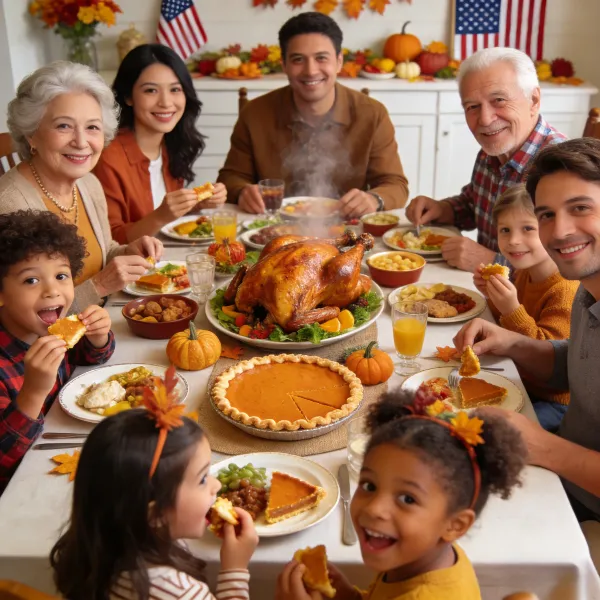
One of the highlights of Thanksgiving Day is the grand meal. Families gather around the table to enjoy a variety of traditional dishes. While the menu can vary slightly by region, the following foods are typically present at most Thanksgiving feasts:
- Turkey: The star of the Thanksgiving table, often roasted, brined, or deep-fried.
- Stuffing: A savory dish made from bread cubes, vegetables, and herbs, often served inside the turkey.
- Mashed Potatoes: Creamy and buttery mashed potatoes, often paired with gravy.
- Cranberry Sauce: A sweet-tart side dish made from fresh cranberries.
- Green Bean Casserole: A creamy, savory vegetable dish often topped with crispy onions.
- Pumpkin Pie: A spiced, sweet dessert made from pumpkin puree and served with whipped cream.
- Sweet Potatoes: Often baked or mashed, and sometimes topped with marshmallows or brown sugar.
These dishes are beloved staples of the Thanksgiving meal, and families often share their own special recipes passed down through generations.
How Do Americans Celebrate Thanksgiving Day?
Thanksgiving Day is celebrated in a variety of ways across the United States. While the main focus is on family and food, there are several key activities that make the holiday special:
Family Gatherings
Many families travel long distances to reunite for Thanksgiving, making it one of the busiest travel days of the year. The day typically begins with a large meal, followed by relaxation, games, and catching up with loved ones.
Volunteering and Charity
Thanksgiving is also a time to give back to the community. Many Americans volunteer at food banks, homeless shelters, or community centers, helping to provide meals for those in need. It is an opportunity to reflect on the importance of generosity and compassion.
Watching Parades and Football
Two major events on Thanksgiving Day are the Macy’s Thanksgiving Day Parade and NFL football games. The parade, held in New York City, features elaborate floats, marching bands, and performances. Football has become a Thanksgiving tradition, with families gathering to watch the games on TV or attending them in person.
What Are Some Popular Thanksgiving Day Traditions?
Thanksgiving traditions can vary by family, but some common activities that many people enjoy include:
- Playing Football: A casual game of “Turkey Bowl” is a popular way to burn off calories after the feast.
- Watching the Parade: The Macy’s Thanksgiving Day Parade is a long-standing tradition in many households, with people watching it on television or attending in person.
- Thankful Lists: Some families go around the table before the meal to share something they are thankful for, adding a personal touch to the occasion.
- Volunteer Work: As mentioned, many people spend part of their day helping others by volunteering at shelters or food banks.
- Holiday Shopping: The day after Thanksgiving marks the beginning of the holiday shopping season, with many stores offering special discounts for Black Friday shoppers.
What Are the Origins of Thanksgiving Day?
Thanksgiving’s origins can be traced back to the 1621 feast between the Pilgrims and the Wampanoag tribe in Plymouth, Massachusetts. The Pilgrims, who had settled in the New World, faced a harsh winter but managed to survive with the help of the Native Americans. To celebrate their first successful harvest, the Pilgrims invited the Wampanoag to share in a feast.
Though the feast was not officially called “Thanksgiving” at the time, it has since become an iconic moment in American history. Thanksgiving was celebrated sporadically after that, with each state observing it at different times. It wasn’t until 1863 that President Abraham Lincoln proclaimed Thanksgiving a national holiday, setting the date as the last Thursday in November.
Conclusion
Thanksgiving Day is a cherished tradition in the United States, celebrated with food, family, and reflection. Its origins in the early 17th century have shaped the way Americans observe the holiday today. From the grand meals to the giving of thanks, Thanksgiving is a time to appreciate the blessings of life, come together with loved ones, and give back to the community. Whether through the traditional turkey feast, volunteering, or watching football, Thanksgiving is an occasion for all to partake in, no matter how they celebrate.