Veterans Day is a federal holiday in the United States dedicated to honoring military veterans who have served in the U.S. Armed Forces. Unlike Memorial Day, which honors those who have died in service, Veterans Day is a celebration of all U.S. military veterans, both living and deceased, for their service and sacrifices. The day is marked with ceremonies, parades, and events, offering an opportunity for citizens to express their gratitude to veterans and reflect on the nation’s military history.
When Is Veterans Day Celebrated?
Veterans Day is observed annually on November 11th. This date was chosen because it marks the armistice signed between the Allies and Germany, which ended World War I in 1918. The ceasefire took place on the 11th hour of the 11th day of the 11th month, which symbolized the end of the "Great War." In 1954, after World War II and the Korean War, the U.S. Congress officially renamed Armistice Day to Veterans Day, expanding the holiday to honor all veterans, not just those who served in World War I.
Why November 11th?
- Armistice Day: The historical significance of November 11th traces back to World War I.
- Symbolic Time: The armistice was signed at 11 a.m., symbolizing peace and unity.
- Veterans Day Evolution: The U.S. expanded the holiday to honor veterans from all wars, starting in 1954.
Why Is Veterans Day Celebrated?
Veterans Day is celebrated to recognize and honor all military veterans who have served in the U.S. Armed Forces. This day allows Americans to acknowledge the sacrifices veterans have made to defend the country and preserve its values. It is an opportunity for citizens to express their gratitude, reflect on the importance of military service, and ensure that veterans are respected and appreciated for their roles in the nation’s history. The holiday aims to promote awareness and support for the veteran community.
The Importance of Veterans Day
- Recognizing Sacrifices: It honors the commitment of veterans who have fought for the nation’s freedom.
- Building Respect: The holiday fosters national pride and a sense of unity among citizens.
- Encouraging Gratitude: It encourages the public to express appreciation for veterans’ contributions.
What Are the Historical Origins of Veterans Day?
Veterans Day originated from the end of World War I, as mentioned earlier. Initially, it was observed as Armistice Day to commemorate the armistice that ended World War I. The holiday was first celebrated in 1919 and then recognized by President Wilson. However, after the U.S. became involved in subsequent wars, particularly World War II and the Korean War, the need for a holiday that honored all veterans, not just those from World War I, became apparent. In 1954, President Dwight D. Eisenhower signed a bill into law, officially changing the name to Veterans Day.
Evolution of Veterans Day
- 1919: Armistice Day was first observed to honor World War I veterans.
- 1954: The holiday was renamed Veterans Day to honor all veterans.
- National Recognition: Over time, Veterans Day became a widely recognized federal holiday.
How Do Americans Observe Veterans Day?
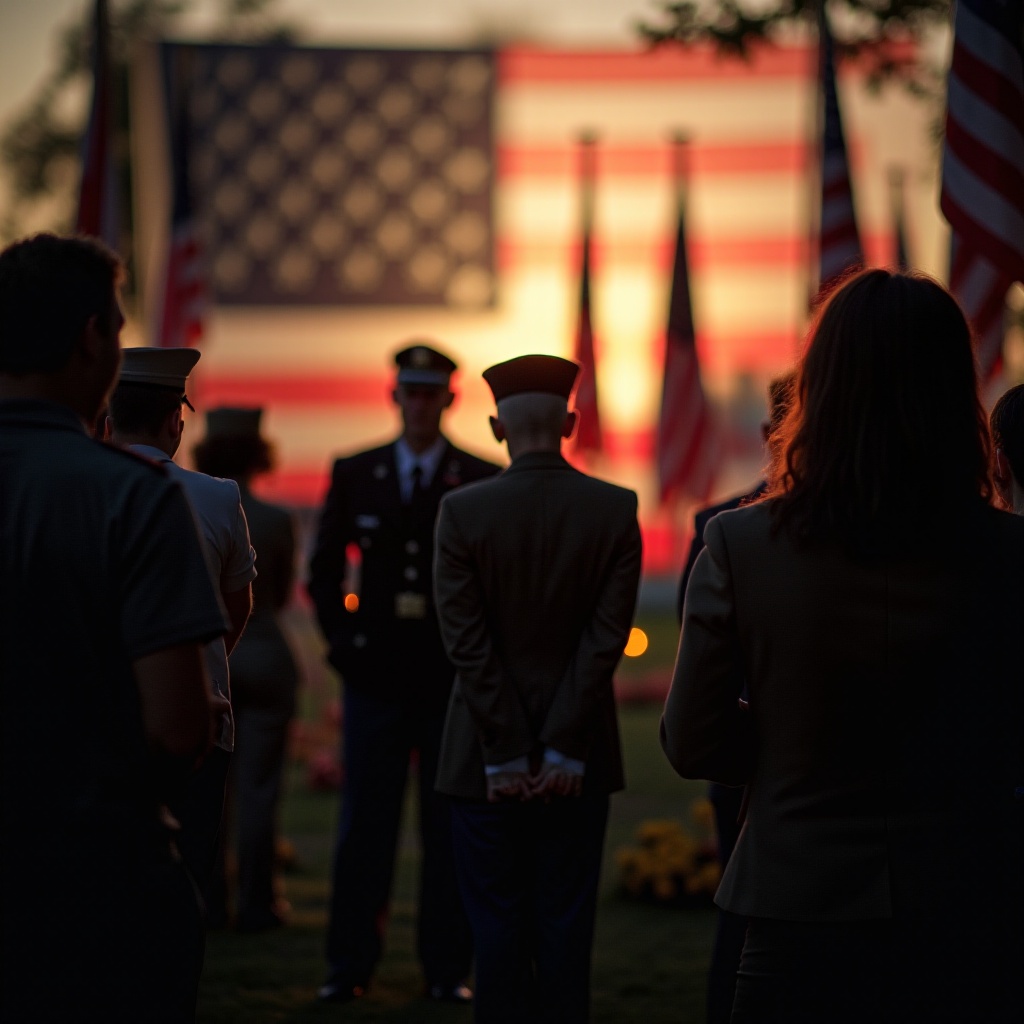
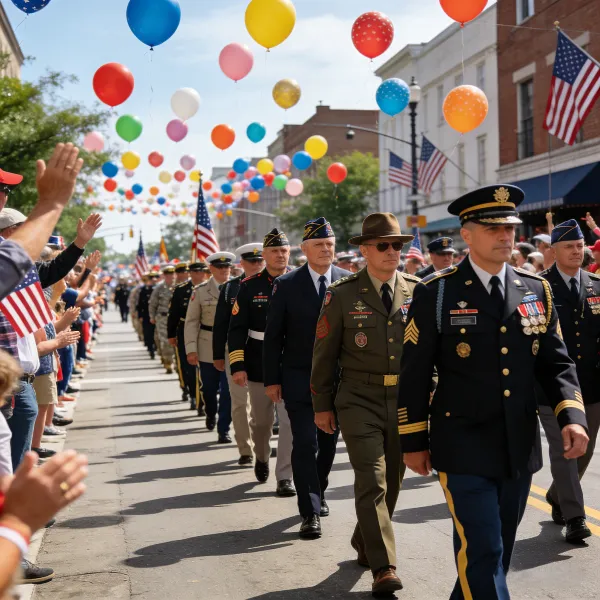
Americans observe Veterans Day in various ways, from attending ceremonies to participating in community events. Some people visit military cemeteries or memorials, while others attend parades or take part in educational programs. Schools and workplaces often observe a moment of silence to reflect on the sacrifices made by veterans. Local organizations may host veterans' reunions, while others offer assistance through charity events or donations.
Ways to Celebrate Veterans Day
- Parades and Ceremonies: Many cities host parades and special events to honor veterans.
- Moments of Silence: A nationwide moment of silence is often observed at 11 a.m.
- Charity Events: Many people volunteer or donate to veterans' organizations.
- Military Honors: Veterans may be honored with awards or recognition ceremonies.
What Are the Major Veterans Day Traditions and Activities?
Veterans Day traditions vary across the U.S., but several key activities remain consistent each year. Parades are one of the most popular forms of celebration, with veterans, military families, and active-duty service members participating. Many schools also hold special programs to teach students about the importance of the day and the role of veterans in American history. Additionally, public and private institutions often offer discounts or special deals for veterans, as a way of giving back for their service.
Key Veterans Day Traditions
- Parades: A staple tradition, with marching bands, veterans, and military personnel participating.
- Ceremonial Services: Many cities hold formal events at war memorials and cemeteries.
- Veterans' Discounts: Restaurants, retailers, and service providers often offer deals to veterans.
- Educational Programs: Schools and museums may host events or exhibits to teach about military history.
How Veterans Day Is Honored in the U.S. Military?
In the U.S. military, Veterans Day is a time to honor the contributions and sacrifices of service members. Military personnel often participate in public ceremonies and parades. Special honors may be awarded to veterans, and military bases host their own events to mark the occasion. Many veterans use this time to reconnect with former comrades, while active-duty members reflect on their role in continuing the legacy of service.
Military Participation on Veterans Day
- Ceremonial Duties: Military personnel often perform duties during national events.
- Veterans' Recognition: Veterans are honored with special services or recognitions.
- Commemoration at Bases: U.S. military bases hold events to honor their veterans.
Are There Any Lesser-Known Facts About Veterans Day?
While Veterans Day is a well-known holiday, there are several lesser-known facts that might surprise many Americans. For instance, did you know that the observance of Veterans Day is not the same every year? The holiday sometimes moves to a Monday to create a long weekend, but the historical date of November 11th is preferred by many. Additionally, Veterans Day is celebrated differently in other parts of the world, and some countries have similar holidays to honor their military veterans.
Lesser-Known Facts About Veterans Day
- Floating Holiday: In some years, Veterans Day is moved to a Monday to create a long weekend.
- Global Celebrations: Many countries have similar holidays to honor veterans, like Remembrance Day in Canada and the UK.
- Veterans Day vs. Memorial Day: Veterans Day honors all veterans, while Memorial Day honors those who died in service.
Conclusion
Veterans Day is a meaningful holiday that honors the bravery, sacrifice, and service of all U.S. military veterans. It serves as a reminder of the high price of freedom and the importance of showing appreciation for the veterans who protect it. Whether through parades, ceremonies, or moments of silence, Americans across the country take time to reflect on the significance of this day. It’s an opportunity to express gratitude to those who have served and continue to serve, ensuring that their contributions are never forgotten.